The New Hampshire regulator has negotiated a pivotal test case regarding energy storage. This concerns home batteries’ role in reducing grid costs. A service provider Liberty Utilities had proposed a pilot study in 2017. In terms of this, it would provide 1,000 Tesla Powerwalls in its customers’ homes. This triggered a debate among New Hampshire home owners regarding maintaining a competitive market place.
How This Might Have Benefited a New Hampshire Home Owners

The original proposal by Liberty Utilities promised a time-based retail rate. And the benefit of backup power for the 1,000 New Hampshire home owners. The utility intended using the batteries to reduce the cost of monthly and annual system peaks.
However, other stakeholders felt this arrangement would limit the competitiveness of the New Hampshire energy marketplace. They were also not convinced Liberty Utilities were able to accurately predict peaks and respond to them. The parties finally reached an agreement with the Regulator on November 15, 2018. This scaled down the original idea.
The Two Grid Edge Trends That Could Benefit from This
The consensus agreement set detailed requirements before Liberty Utilities could upscale the pilot. Moreover, it allowed consumers to own their own storage devices that other suppliers could bid for.
The pivotal test case opened a new opportunity for lowering peak demand costs. Equally importantly, it also opened the door for private energy investments, or ‘virtual power plants’. The fortunate few can now qualify for a subsidized backup service in exchange for helping the utility manage its system peaks.
Liberty Utilities may now go ahead and acquire the first 200 Tesla Powerwalls. However, it will have to prove the system works before the Regulator allows the next 300. The New Hampshire home owners will pay either $2,433 per system upfront, or $25 per month for 10 years. They will be free to use the batteries as they wish. Unless the utility takes over, charges them up at night, and claims the energy back at peak times.
Related
Innovative Virtual Power Plants for Japan
Battery Price War Takes On Powerwall 2
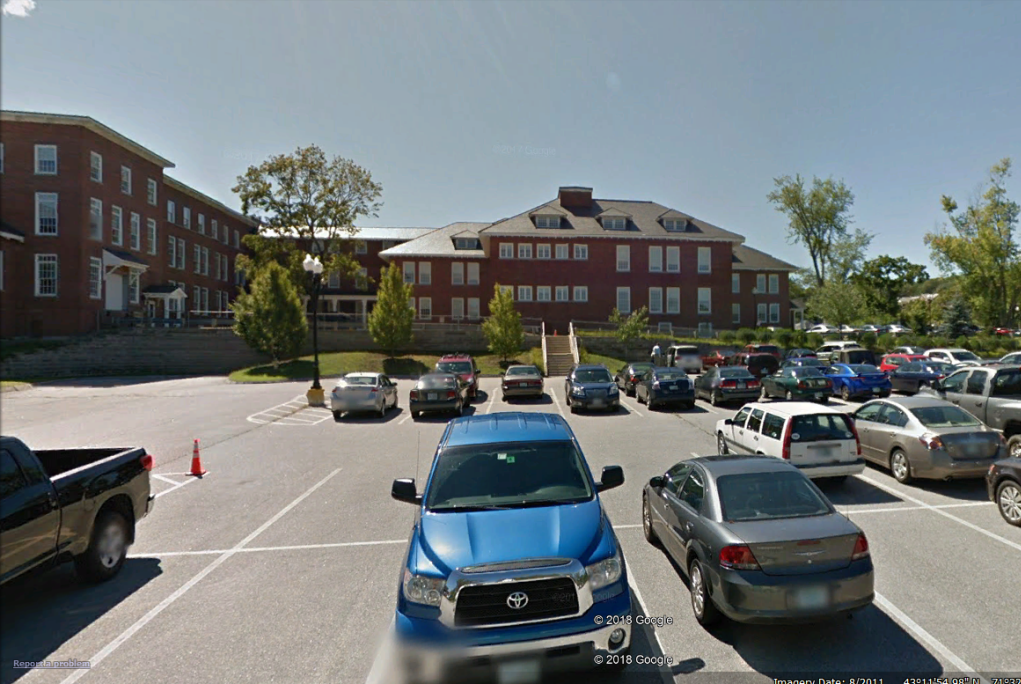
Preview Image: Downtown Manchester, New Hampshire