The Voyager 2 space probe left Cape Canaveral on August 20, 1977 before many of us were born. Batteries were not up to it yet, and so it relied on a radioisotope thermoelectric generator instead. Since then, the Voyager 2 thermonuclear generator has traveled with its host through 11 billion miles of space. Now NASA has advised that its 34,000 miles per hour velocity has allowed the probe to leave our solar system.
The Voyager 2 Thermonuclear Generator in a Nutshell
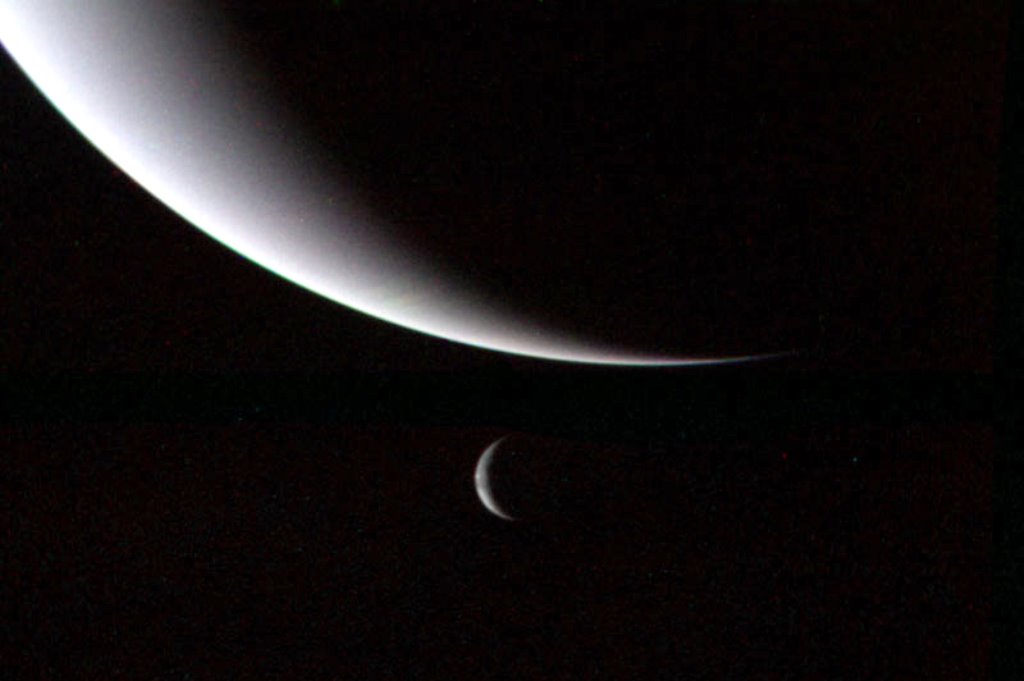
Voyager 2 took advantage of a rare alignment of the planets to fly relatively nearby Jupiter, Saturn, Uranus and Neptune. It also hoped to fly onward to the outer edge of our solar system, far, far away from these planets. And enter deep, dark silent space.
The Voyager 2 thermonuclear generator provides the electricity necessary for probe’s equipment to function. Remember, 1977 batteries were still primitive, and photovoltaic solar cells little more than a pipe dream. Therefore NASA had to design an electrical generator with an array of thermocouples. These convert heat from decaying radioactive material into electricity. There are no moving parts because it uses the Seebeck Effect.
Go On, Tell Me What’s the Seebeck Effect
Just like the Voyager 2 thermonuclear generator, we have known about the Seebeck Effect for a while. Alessandro Volta noted it in 1794. Then Thomas John Seebeck stumbled over it again in 1821. Our story therefore spans 224 years from 1794 to 2018. That’s quite a distance, but nothing compared to Voyager 2.
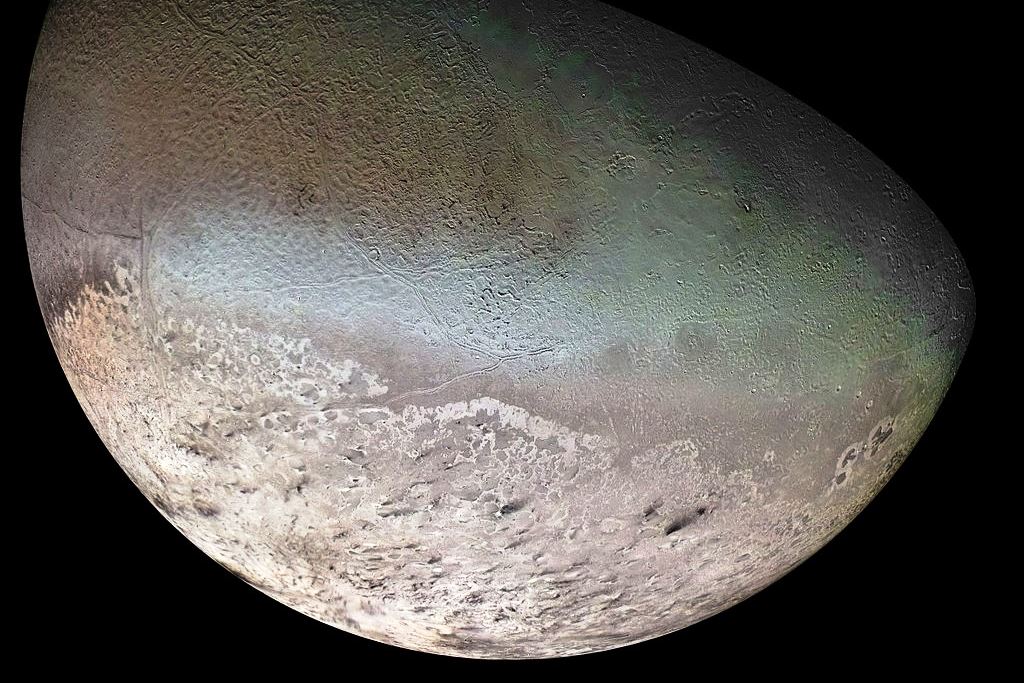
Thomas Seebeck discovered he could deflect a compass needle with a closed loop formed by two different metals. However these had to join in two places, with a temperature difference between the joints. This was a classic example of electromotive force being able to drive an electric current.
Of course, the science is more complicated than that but it is time for us to post this important news. We wonder what Alessandro Volta would have thought, if he knew how far his discovery would travel beyond the moon he gazed at through his telescope.
Related
Insight Power Supply for the Mars Lander
International Space Station Batteries Delayed
Preview Image: The Incredible Journey of Voyager 2