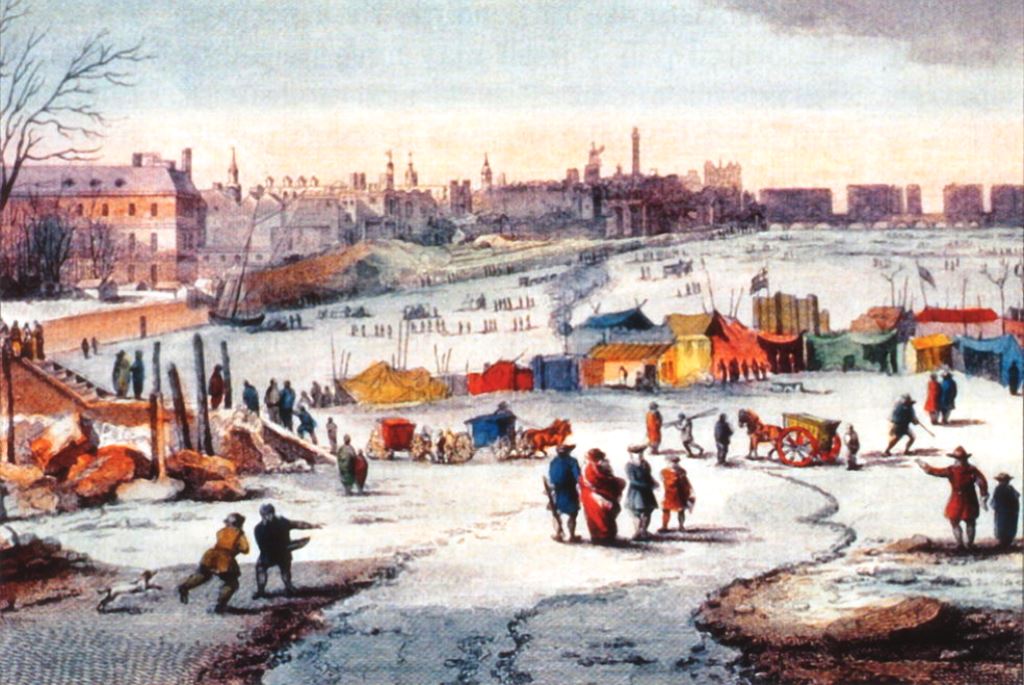
Did you ever wonder what it was like during the Mini Ice Age from 1300 to 1850? It was a time of rapid cooling following the Warm Mediaeval Period. In the winter of 1780, New York Harbor froze. This allowed people to walk from Manhattan Island to Staten Island. The broader social impacts included the invention of buttons and button holes, and extensive food riots. Londoners held intermittent winter ‘Frost Fairs’ on the Thames River between the 17th and early 19th centuries
Positive and Negative Social Impacts of the Mini Ice Age
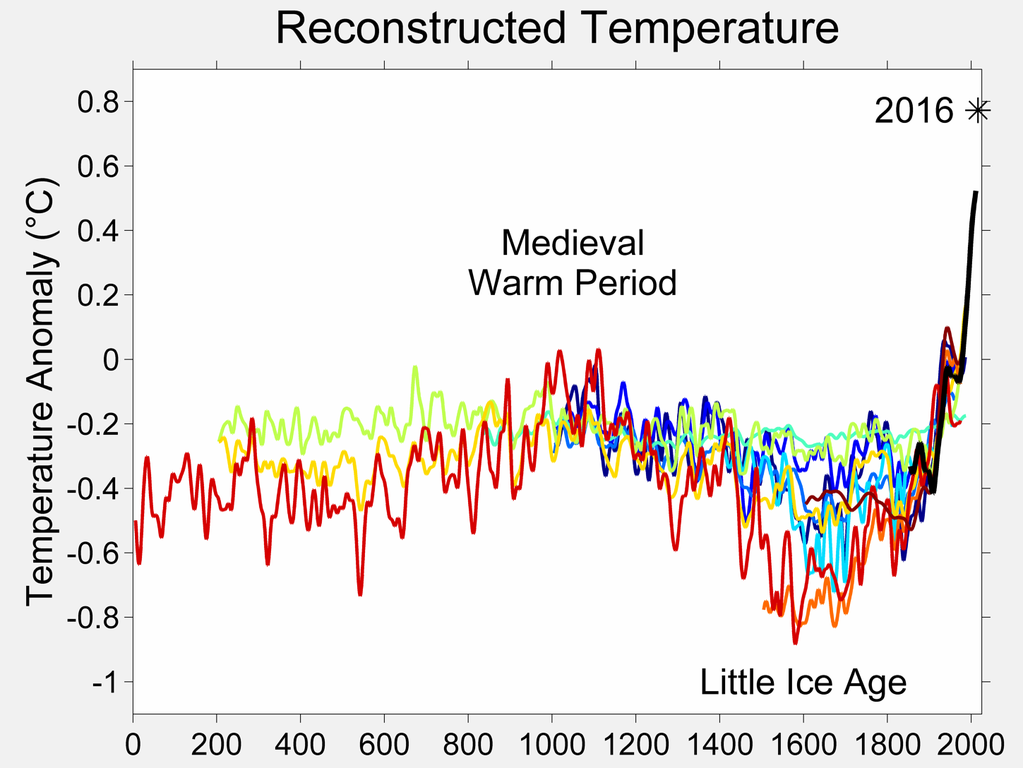
The wood was denser in forest trees in Europe, enabling Antonio Stradivari to craft his superb violins. By stark contrast, Alpine villagers lived on bread made from ground nutshells mixed with barley and oat flour. Widespread crop failures spawned intensive witch-hunting campaigns.
Moving fast forward, a paleo-climatologist at Japan’s Research Institute for Humanity and Nature is digging into Japan’s social past. Reporter Rachel Nuver describes how Takeshi Nakatsuka and 68 collaborators are using trees to reveal historic rainfall patterns.
Nakatsuka and his colleagues have managed to ‘tease’ information out of preserved cedar wood in ancient forests. They have produced a 2,500 year record of rainfall patterns in Japan, and related these to social impacts.
The Secrets Hidden in Japan’s Venerable Hinoki Cyprus Trees
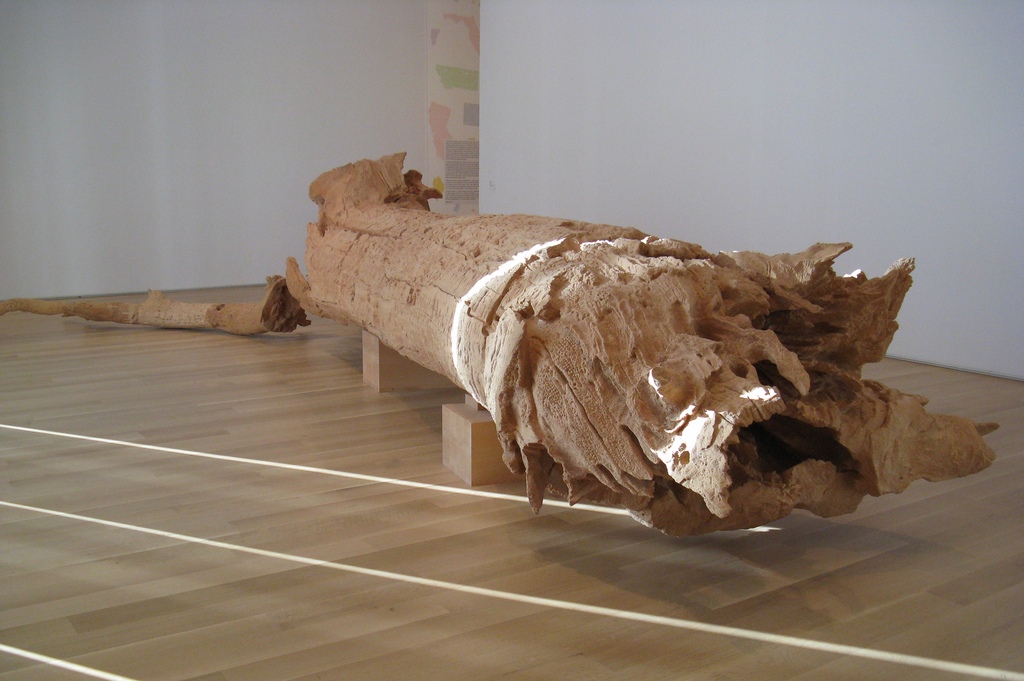
They have noticed the amount of rainfall becomes ‘extremely variable for a period’ once about every 400 years. In this way, they have seen their nation ‘toggle’ between ‘multi-decadal bouts of flood-inducing wetness and warmer, drier years’. Moreover the latter were favorable for rice cultivation. And so Japanese society suffered or prospered according to these social impacts.
Takeshi Nakatsuka and his team having been using isotope ratios contained within wood to estimate rainfall patterns. Central Japan’s long-lived Hinoki Cyprus Trees are the perfect subjects because their wood is so dense. The oldest have been living for 1,000 years. More ancient samples come from buried logs, wooden temples, and coffin boards.
Related
Our Brains Block Us on Climate Change
Lancet 2018 Health and Climate Report
Preview Image: Thames Frost Fair, 1683–84