

It’s never nice wondering whether the lithium battery in our phone could suddenly overheat in our pocket. Moreover, electric cars too have had some spectacular thermal runaway events after a chain reaction in their battery cells. Pys.Org News reported on April 2, 2019 researchers from University of Illinois at Chicago College of Engineering could stop this. That’s because they believe a graphene coat “may take the oxygen out of lithium battery fires”.
How Their Graphene Coat Could Do the Trick

Phys.Org News explains that lithium batteries ignite during charging and discharging when this results in high temperatures. Then the cathode – usually lithium cobalt oxide – breaks down and releases oxygen.
If this oxygen associates with other flammable materials released by the cathode, then spontaneous combustion leads to a battery fire. It doesn’t take rocket science to reach the University of Illinois researchers’ conclusion. “We thought if we could prevent the oxygen from mixing with other flammable products in the battery,” they say. “Then we could reduce the chances of a fire occurring”.
How This Idea Might Work In Practice
Reza Shahbazian-Yassar and his research team already knew oxygen cannot penetrate a graphene coat. Moreover the material is flexible and may conduct electricity. They wondered whether wrapping micro particles of graphene over a lithium cobalt oxide cathode would prevent oxygen escaping.

Having done that, they observed significantly less oxygen escaping from an overheated cathode. Next, they wrapped the particles with a ‘binding material’ and fitted the modified cathode to a lithium battery. Then they measured ‘almost no oxygen escaping from the cathode even at very high voltages’. They concluded “Graphene is the ideal material for blocking the release of oxygen into the electrolyte”.
That’s because it is impermeable to oxygen, electrically conductive, flexible, and is strong enough to withstand conditions within the battery. Moreover “The graphene coat is only a few nano meters thick so there would be no extra mass added to the battery”. They certainly seem to have their minds around a solution.
Related
Beiqi Wei Wang 407EV Catching Fire in China
Keep Your Fuel Out of Someone Else’s Fire
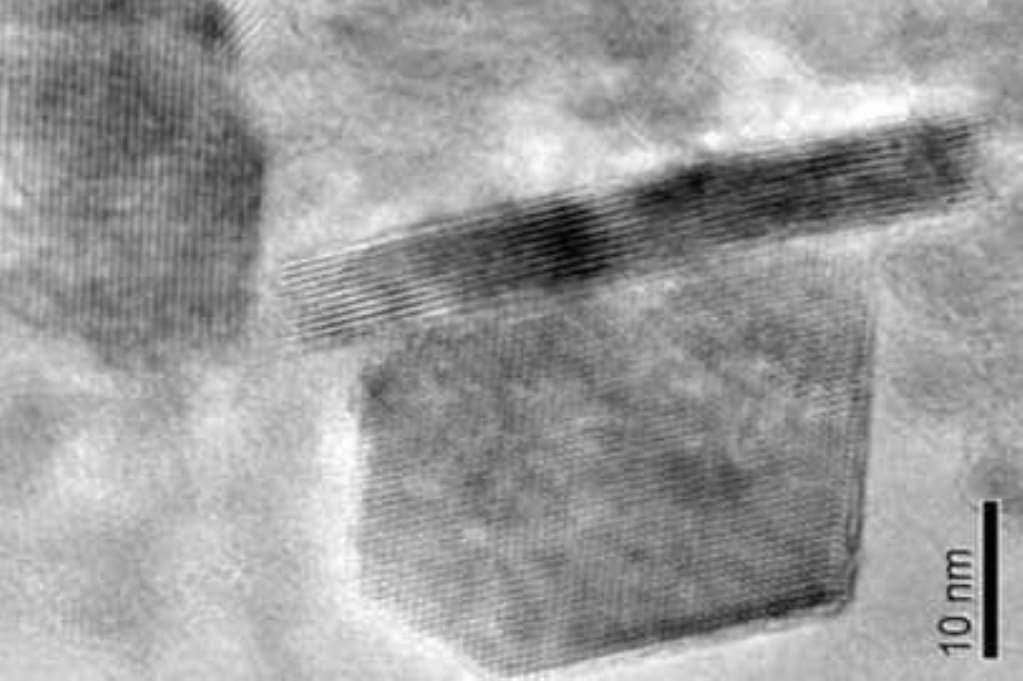
Preview Image: Lithium Cobalt Oxide Particles Coated in Graphene


