Alternative energy sources for charging are essential for sustainable batteries. A Swedish research team announced two dramatic discoveries on December 19, 2018. They say graphene opens doors to sources of alternative energy. Moreover, it also holds promise in other electrical and magnetic applications, they say. Certainly, graphene features in 3D printing and new electronic materials. So what is new in Sweden?
Researchers Say Graphene Opens Doors in Several Layers
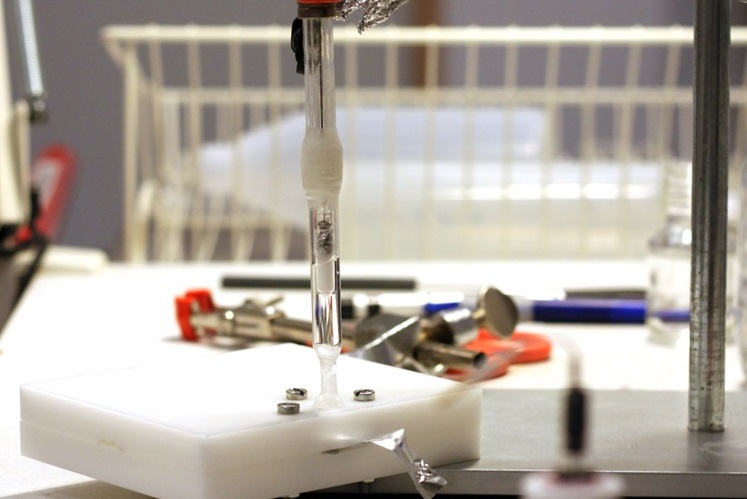
The Swedish team is from Linkoping University, one of the nation’s largest academic institutions. They say they can produce graphene in several layers and this “acts as a superconductor in certain conditions”.
They could use this material to find new ways to convert water and carbon dioxide into renewable energy, they continue. Moreover, they plan to use energy from the sun and graphene applied to the surface of cubic silicon carbide. Researchers around the world are seeking ways to deconstruct carbon dioxide and water. If they could, they would have separate hydrogen, oxygen and carbon elements.
That’s Not the End of the Process Graphene Opens Doors To

Hydrogen, oxygen and carbon are the buildings blocks of ethanol and methane. In this way, graphene opens doors to a greener ‘battery’ of fuels we are accustomed to extracting from the earth. However, the researchers say this would cause lower emissions.
During the study, they developed cubic silicon carbide that captures solar energy. However, they needed to grow nano-thin layered graphene sheets on top of it to act as electrical conductor. They believe these layers have superconductor properties when arranged in a certain way.
Other possible spinoffs from their work include extremely powerful magnets, according to Design News. As well as particle accelerators for research.
There is also the intriguing possibility of “superconducting graphene in electrical supply lines with zero energy loss. As well as for building high-speed trains that float on a magnetic field” perhaps.
Related Posts
Graphene Nanocomposite On Metal Anode
Flexible Graphene Supercapacitors on Clothes
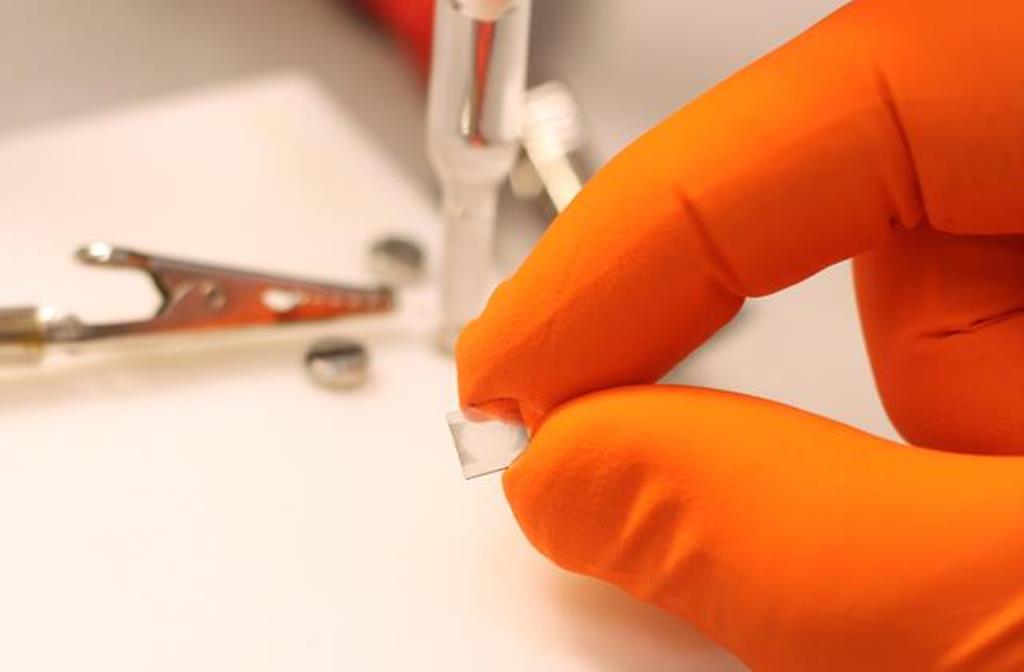
Preview Image: Graphene on Silicon Carbide (Linkoping University)