

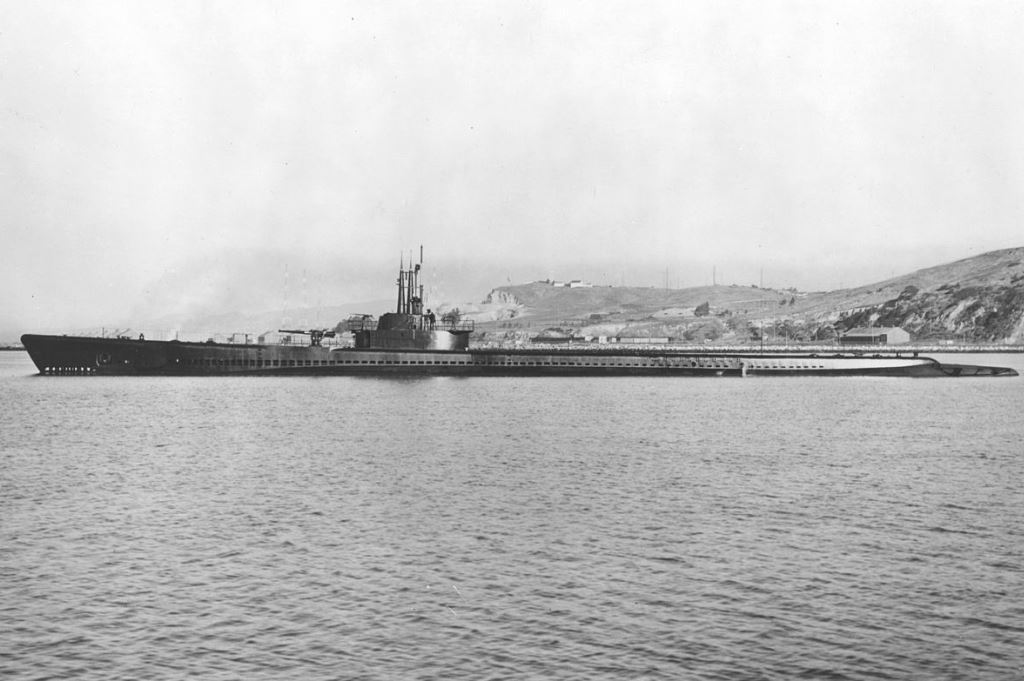
What most of us know about submarines is in the few flickering Second World War movies that survived. When our heroes mentioned batteries, we imagined the flashlights we had as kids. Cruising range underwater was limited requiring risky voyages to the surface to charge them. However, there’s promise that new South Korean lithium-Ion batteries will double the traveling distance underwater.
World War Two American Fleet Submarine Batteries
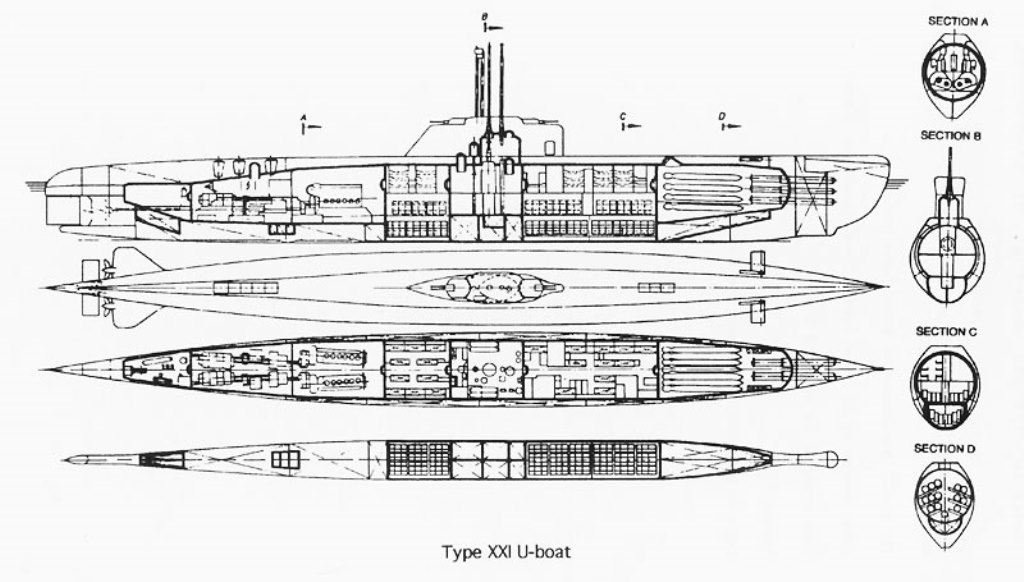
World War II American fleet submarines had two lead acid batteries, each comprising 126 cells. Each of these cells was worth 2.75 volts when fully charged providing a total 350 volts / 15,000 amps in parallel.
Each individual cell was about 54 inches high, 15 inches deep, and 21 inches wide, and weighed about 1,650 pounds. Fleet Submarine explains these cells required daily topping up with distilled water using a hose connected to a storage tank. So you could say batteries were the heart of submarines. Certainly, their crews depended on the technology for their survival.
The New South Korean Lithium-Ion Batteries
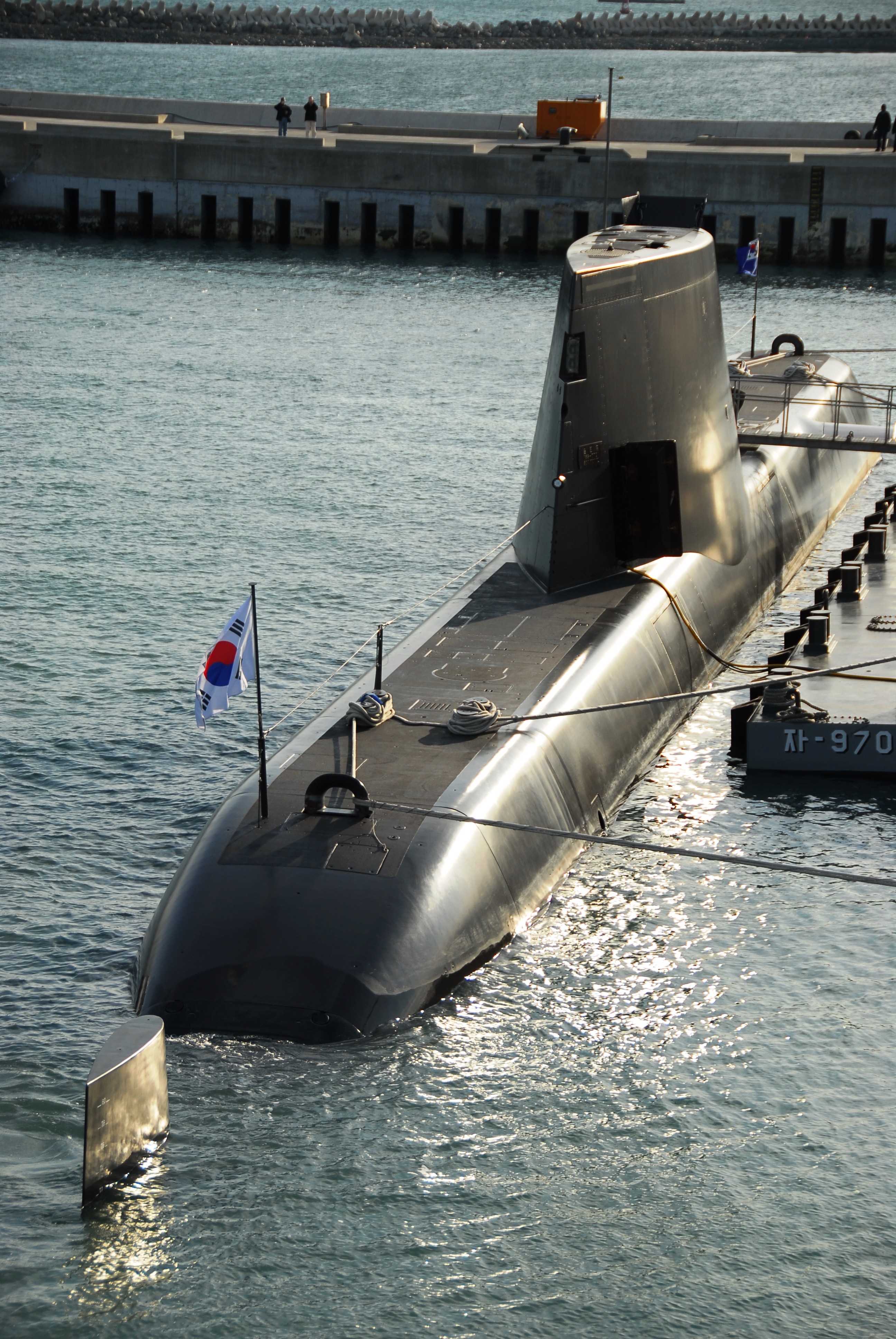
On November 16, 2018 South Korea told Defense News it had developed new lithium-ion submarine batteries. These could “double the operational hours of submarines compared to those with lead-acid batteries”. Following 30 months of work, they approved the storage cells for their next gen attack submarines launching the mid 2020’s.
“Development of South Korean lithium-ion batteries for submarines is a great achievement in the global submarine market,” said Rear Adm. Jung Il-shik. “We expect this successful development of lithium marine batteries to raise our reputation as a submarine maker. And moreover this should have a great ripple effect through the commercial sectors.”
The new KSS-III Batch I diesel-electric submarines are 83.5 meters long, have a beam of 9.6 meters, and boast six vertical launch tubes. At maximum speed of 20 knots the cruising range will be over 10,000 miles so quite an achievement for batteries to be part of.
Related
Why There are Lead-Acid Batteries on Submarines
Batteries for Divers That Won’t Catch Fire
Preview Image: USS Tang Launched 1943


