Nuclear power has turned out to be hugely expensive and controversial. That’s because it has polluted our seas, caused catastrophic accidents and moreover generated a vast amount of radioactive waste. The International Thermonuclear Experimental Reactor (ITER) is a prototype for what scientists hope will be a cleaner and safer alternative.
Tokamak at Heart of Thermonuclear Experimental Reactor
An alternative form of nuclear energy has been pending since astronomers discovered nuclear fusion drives our Sol, and therefore Earth. What if, they asked, we could build our own miniature suns, and then have endless sources of energy ourselves?
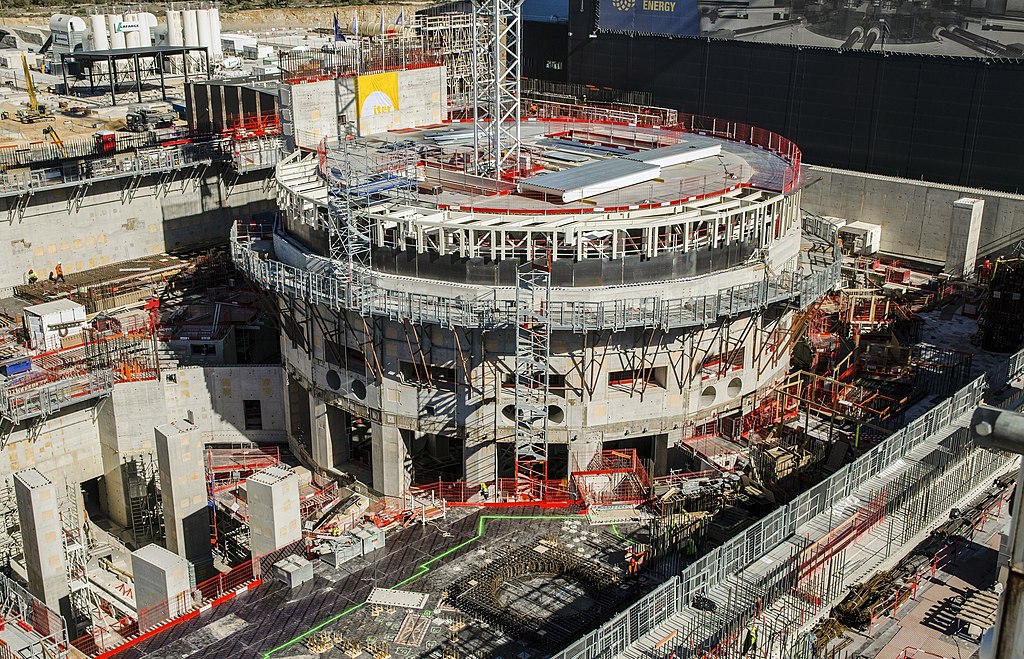
ITER is an experimental tokamak nuclear fusion reactor, and the largest ever magnetic confinement plasma physics experiment. Scientists from over 35 countries are supervising the assembly of more than a million components. The project officially began in 1988. It has now reached the stage where the assembly hall and support work are complete, and the vacuum vessel is in the assembly stage.
Plasma Reactor Overview and the Road into the Future
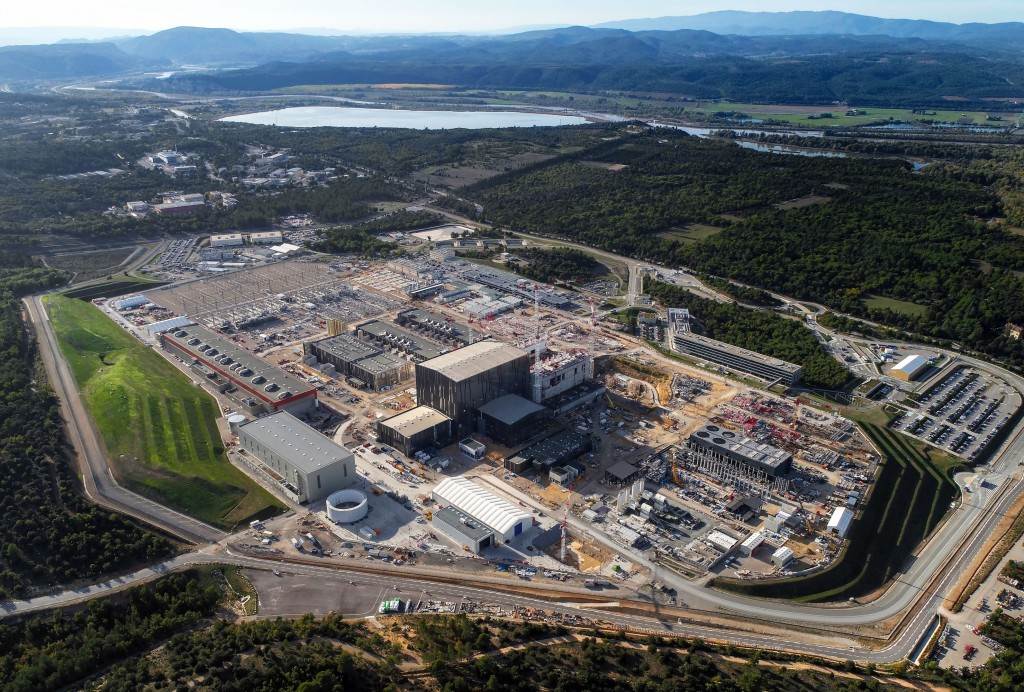
ITER means a road or pathway in Latin. The Thermonuclear Experimental Reactor has a long way to travel, because first plasma will only materialize in 2025, and full operation will be by 2035. The chosen site is at Saint-Paul-lès-Durance, in Provence, southern France, adjacent to Europe’s largest energy research center, Cadarache.

The tokamak reactor should expand 50-megawatts of thermal power to ten times that amount, and output it for 20 minutes. However, no known nuclear fusion reactor has succeeded in generating more power than that which heats its plasma. Moreover, some scientists have questioned the viability of the project at commercial power plant scale. However, if we do not try new ideas, energy science will not move forward.
The United States, Switzerland, South Korea, Russia, China, Japan, India and European Union are funding the project. Their end goal is a source of safe, non-carbon emitting and virtually limitless energy. After that, who knows what will happen because the sky’s the limit in energy science.
Related
Miniature Suns That Could Power The Earth
Will Nuclear Fusion Come Close in China?
Preview Image: The Tokamak Complex in April 2018