The chemistry is different from that of the familiar rechargeable lithium-ion batteries in phones, laptops, and electric vehicles. But how does this help us answer the question, what is a lithium thionyl chloride battery?
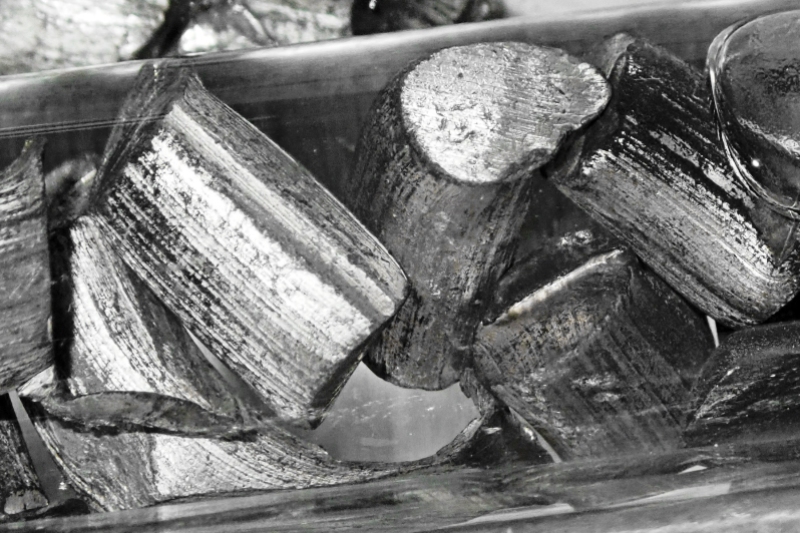
Well, many rechargeable lithium-ion cells move lithium ions between two solid electrode materials during charging and discharging. A lithium thionyl chloride cell uses lithium metal instead as its negative electrode, or anode. And thionyl chloride as the active material in its positive-electrode system.
The Electrolyte Contains Lithium Salts
The electrolyte contains lithium salts that allow ions to move inside the cell. This design gives the cell a relatively high operating voltage and a large amount of energy for its size. So now we know what is a lithium thionyl chloride battery.
It Can Also Have Very Low Self-Discharge
It can also have very low self-discharge, making it suitable for applications where a battery may need to remain in service for years.
Some designs are for steady, low current; others can provide higher pulses when paired with suitable construction or a pulse-support component. However, these batteries are not suitable for every job.
They are generally more expensive than common alkaline cells, and their output depends on temperature, load, cell design, and age.
Passivation – a Protective Film –Forms On The Lithium
Passivation can briefly delay voltage recovery when a long-stored cell first delivers current. Safety matters, too. The electrolyte is corrosive and reactive, and the cell must not be opened, recharged, short-circuited, or exposed to fire.
Users should select and handle lithium thionyl chloride batteries according to the manufacturer’s instructions. In short, this is a long-life, high-energy battery for specialized equipment. Not a rechargeable replacement for the lithium-ion battery in a phone.
More Information