

Lithium-metal batteries have double the storage capacity, per unit of weight when compared to lithium-ion ones. But we only use them for primary applications in watches, cameras, car key fobs, and so on. That’s because they can only take a limited number of recharges. But that may be changing after scientists tried charging lithium-metal with ultrasound to flow the electrolyte.
The Theory behind Charging Lithium-Metal with Ultrasound
Researchers at University of California – San Diego found a way to cause the electrolyte to flow between the electrodes. As a direct consequence of this, the lithium was more likely to form dense deposits on the anode. This in turn reduced the possibility of short-circuiting dendrites developing.
Charging lithium-metal with ultrasound enabled them to charge and recharge the battery 250 times. Moreover, they could recycle lithium-ion batteries over 2,000 times, using ultrasound. In both cases the battery cells went from 0% to 100% charge within 10 minutes every time.
The Technology behind This Achievement
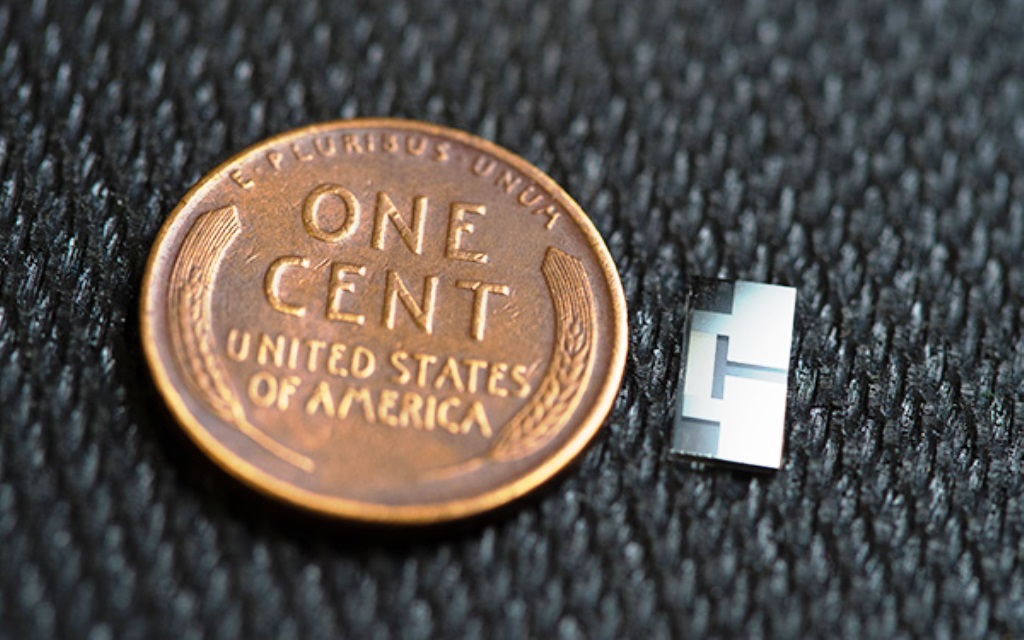
The scientists found a way to make an in-battery sound generator from a readily available smartphone component. This device inside the battery emits extremely high frequency sound waves ranging from 100 million to 10 billion hertz. Smartphones use the technology to identify, and filter voice calls and data in a wireless cellular signal.
However, the researchers at University of California – San Diego used the sound to cause a flow in the battery electrolyte instead. Therefore this appears to be a major step forward to viable, rechargeable lithium-metal batteries. The scientists say their method of charging lithium-metal with ultrasound will work on any known battery chemistry.
The key to their success with lithium-metal, and lithium-ion batteries appears to be preventing dendrites ‘whiskers’ and ‘needles’ forming. These eventually poke their way through the separator. This creates a short-circuit between the electrodes, destroying the battery unless the design disables this.
Related
Lithium-Metal Batteries, Are They For Real?
Steps Toward Safe Lithium Metal Batteries
Preview Image: Ultrasound Transmitter
Video Share Link: https://youtu.be/kKcBo7VgxR4


