

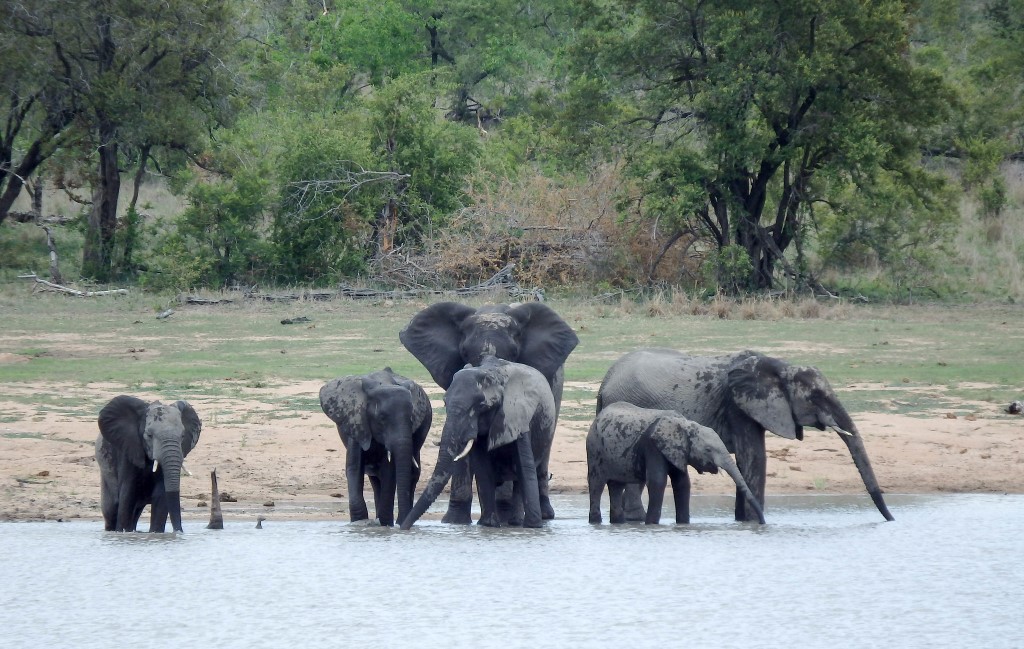
Invasive human activity causes wild animals to shift their habitats, and adapt to new, unnatural landscapes. These additional stresses hasten the emergence of new diseases and viruses in their bodies. They also come into closer contact with human beings, says Dr Christine Johnson of the University of California, Davis. She and her team have found a strong link between threatened animal species and human health.
Inter-Connectedness, Threatened Animal Species and Human Health
We are globally connected through trade and travel, Dr Christine Johnson told Helen Briggs of BBC News, Science and Environment. This increases the speed with which new diseases spread. We can lock down nations, but can we do something about this at source, we wonder.
The University of California research team delved deep into scientific papers for reports of animal diseases crossing to humans. They knew SARS, MERS and EBOLA all began that way. There is also good reason to believe COVID-19 followed the route connecting threatened animal species and human health.
Endangered Animal Species Double the Risk of This Occurring
Wild animals facing extinction due to human exploitation have twice the number of viruses causing human disease, than those at risk for other reasons. The same applies to those threatened by loss of habitat, Dr Christine Johnson adds. They may be few in number left, but closer proximity makes it easier for a virus to cross over to a human.
Hunting and trading in once-abundant wildlife appear to be forging a self-fulfilling prophecy where the situation could deteriorate further. There are growing calls to curb wild animal trade for human health’s sake. Wild animal markets where humans and animals mix are a near perfect storm.
Emerging new diseases can affect us all, Dr Christine Johnson explains. It is time to view disease emergence as an environmental matter. We must find more sustainable ways to exist together. We must interrupt the link between threatened animal species and human health.
Related
Was Wuhan Seafood Market the Virus Source?
Wuhan Coronavirus Outbreak What We Know
Preview Image: Poacher’s Dream Come True


