

Soap and water may seem an archaic solution, given the advanced research work fighting the pandemic. It also takes eighteen seconds longer than using alcohol spray, that’s if we still follow mother’s advice. However, despite this inconvenience the truth is COVID-19 can’t resist soap and water. That’s because soap is a highly effective grease cutter when we apply it properly.
The COVID-19 Lipid Membrane Can’t Resist Soap and Water
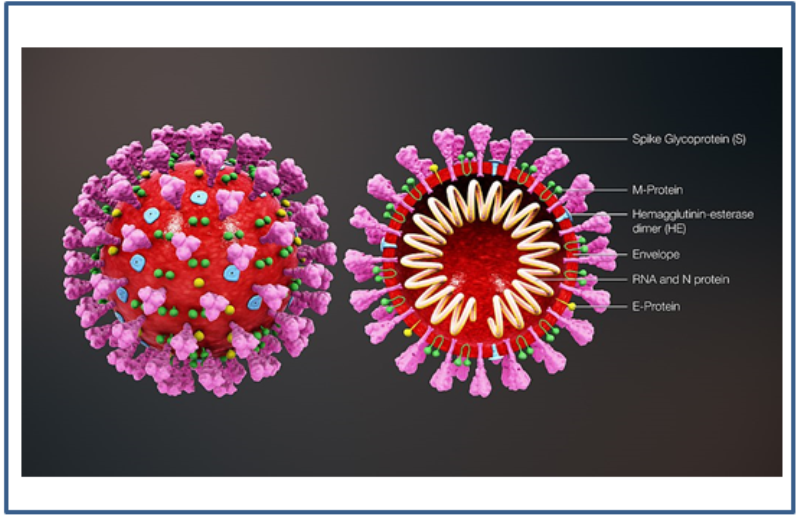
The COVID-19 virus comprises an envelope surrounding its genetic material, and with spiky protrusions facing its external environment. The envelope itself is a lipid bi-layer comprising two greasy, oily sheets. These encircle the genetic material inside the cell nucleus to protect it.
Now if this lipid layer were to dissolve in contact with soap and water, then the cell structure would disintegrate. The RNA ribonucleic acid which attacks human cells would be swept away, disintegrate, and be utterly destroyed.
And that, in a nutshell is how COVID-19 can’t resist soap and water. Or should we say after thorough contact with soap and water that dissolves the lipid after a sufficient period.
However, We Must Wash Our Hands Properly to Achieve This Success
The coronavirus viruses are tiny, so tiny in fact we could squeeze tens of millions onto the head of a pin. Thousands more could fit into the creases on the palms of our hands. Or for that matter hide under our fingernails too.
We only need one determined coronavirus getting inside us to start an infection. This is what the hype is about washing thoroughly for twenty seconds. This is not rocket science or mother’s imagination either. COVID-19’s inability to resist soap and water is a fact of life.
Thomas Gilbert is associate professor of chemistry and chemical biology at Northeastern University in Boston, Massachusetts. “I’ve heard of nothing yet to make the hand washing time shorter,” he told BBC Future on August 21, 2020.
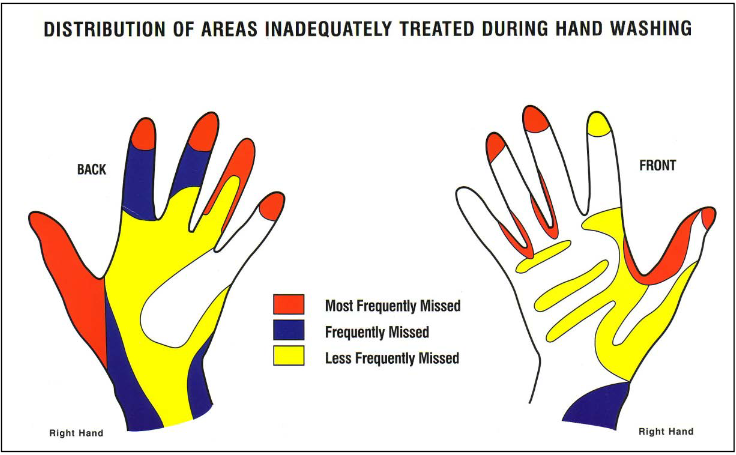
“What you want to be doing is wetting your hands, getting the soap and working up a proper lather. And then rubbing your hands for a good 20 seconds and get into all the nooks and crannies.”
Related
Why Some of Us Do Not Wash Our Hands
We Could Stop the Spread with What We Know
Preview Image: Cross-Sectional Model of a Coronavirus


