

The Oxford Vaccine trial result had us confused when it came out. Data from an earlier, small trial had us believing this one was a runner. And then news spread suggesting this might not be the case. That’s because it showed an overall efficacy of 70%, a lower score of 62% and a high score of 90%. Since then the dust has settled, and the low-down on the Oxford Astra Zeneca trial is much clearer.
The Confusion Was Caused By a Procedural Error
There’s nothing wrong with the Oxford Vaccine, it seems. The problem was some trial administrators misread their instructions. Or perhaps something was lost in the translation. The low-down on the Oxford Astra Zeneca trial is they gave the wrong second dose in the majority cases. And this produced the confusing spread of results.
The administrators were supposed to administer a half dose first, followed by a full dose a month later. However, 6,000 of the nearly 9,000 volunteers received two full doses instead, although these were correctly spaced. The regulators knew this had happened, but allowed the test to continue. When the full results were in, the correct dose had around 90% efficacy, while the double dose scored 62%.
Low-Down on the Oxford Astra Zeneca Trial Opens the Door
US Food and Drug Administration previously set the hurdle for vaccines at efficacy of 50%. The UK government has now requested their Medicines and Healthcare Products Regulatory Agency complete a full assessment.
It needs this approval urgently on account of the local COVID-19 surge, and has already ordered 100 million doses. This should come close to covering a vaccine program for its 66 million population who eagerly await it.
Oxford researchers are investigating why the weaker dose, followed by the full one worked better than two full ones. According to BBC it’s possible a low, then a high dose may better mimic a coronavirus infection. And therefore lead to a better immune response.
Related
Broad Immune Response to Oxford Vaccine
Oxford Vaccine Makes Antibodies and T-Cells
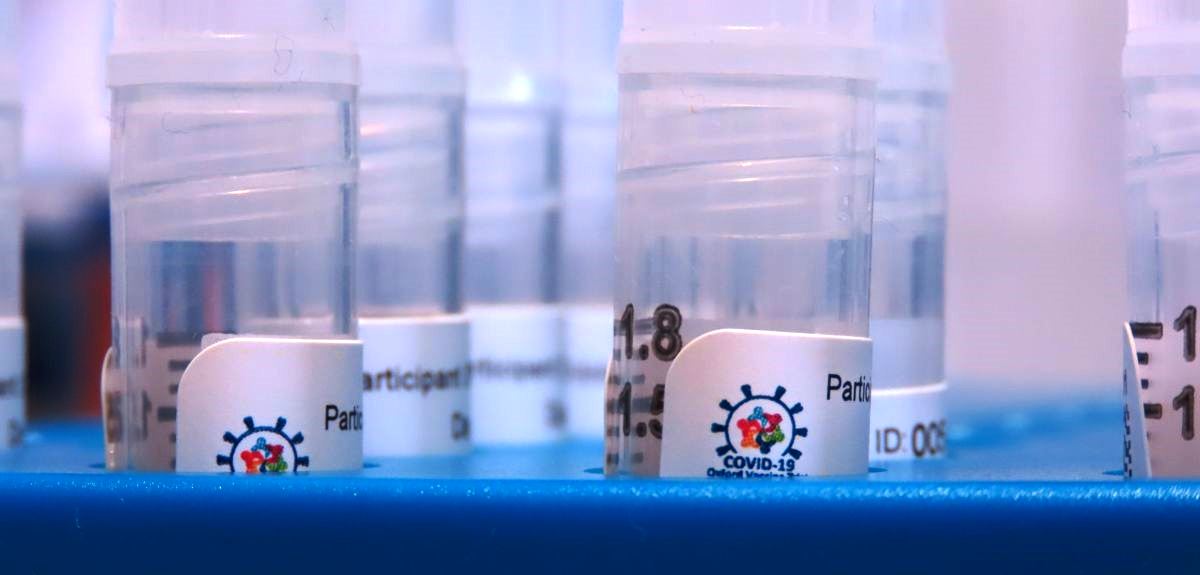
Preview Image: Oxford Trial COVID-19 Vaccine


