As more North Americans emerge from a bout of the coronavirus, the anecdotes stack concerning ‘long COVID’. This is a condition where symptoms linger, for example a sense of unshakeable fatigue. However, Nature.Com reports scientists are mystified how COVID-19 sensory loss of smell and taste plays out. We explore this because we may someday face this reality too.
Mayo Clinic Investigates the Extent of the Condition
In June 2020 Mayo Clinic published a report on the extent of loss of smell and taste. Its researchers aggregated data from MEDLINE, EMBASE, and MedRxiv using a broad demographic. And they found loss of taste and smell was highly prevalent among COVID-19 patients. But why did these sometimes linger on after they shook off the infection?
Nature.Com investigated this phenomenon, and posted their findings on January 14, 2021. First, they established COVID-19 sensory loss of smell and taste was common during COVID even in the absence of other symptoms. Almost a year later many of their subjects had still not regained their ability to detect chemically triggered sensations.
Mechanism Behind COVID-19 Sensory Loss of Taste and Smell
Nature.Com found general consensus loss of smell occurs when the virus infects odor-sensing neurons in the nose. Indeed, these cells may be the target of the infection itself.
However, ‘nobody has a good handle on how taste deteriorates’ according to John Hayes. He is a food scientist at Pennsylvania State University studying how COVID-19 affects chemical senses. There are three aspects to savoring food, he explains. These are touch (chemesthesis), smell and taste.
These impaired senses may return after weeks, months or perhaps never. Smell, taste, and touch in our mouths are fundamental to enjoying food. Researchers at Virginia Commonwealth University are developing an artificial sensor, that could tell the brain how food tastes and smells.
Related
Taste and Smell Loss May Indicate COVID-19
Loss of Taste and Smell Relating to COVID-19
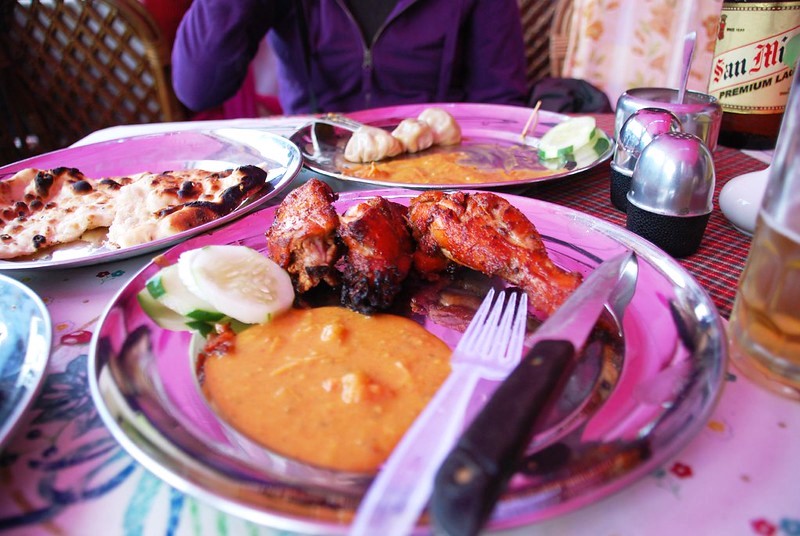
Preview Image: A Mixture of Flavors