At present, we don’t know much about what happens when people get a second infection of the coronavirus. Oxford University scientists are planning a human challenge to study COVID-19 reinfection, according to a CNN post on April 18, 2021. Challenge trials are controlled, approved studies involving deliberate infection of volunteers. These can tell scientists more than natural infections, because they are under tighter management.
How the Human Challenge Research Project Will Work.
There will be two phases, each with different volunteers according to the Guardian. The first trial will kick off during May 2021. The second will follow during the summer later in the year. ‘When we re-infect these participants,’ Oxford’s chief investigator Helen McShane explains.
‘We will know exactly how their immune system has reacted to the first COVID infection. Exactly when the second infection occurs, and exactly how much virus they got.’ It may see strange a year into the pandemic, but scientists can only estimate these levels at present.
The human challenge to study COVID-19 reinfection will involve up to 64 volunteers aged between 18 to 30 years old. They will all have had COVID-19 previously. And they will be exposed to very low doses of the virus under carefully controlled circumstances. The goal is to infect at least 50% with very mild disease, and heal any worrisome side effects with a monoclonal antibody treatment.
How the Human Challenge to Study COVID Reinfection Will Roll Out
The researchers will monitor the first 24 study participants after exposure, in a special isolation suite for at least 17 days. Those otherwise fit and healthy people will remain there until any infection has passed, and they are no longer potential spreaders. The observation process will include CT scans of their lungs, and MRI scans of their hearts.
The second phase will involve the remainder of the volunteers in the summer. The researchers will study their immune response before and after exposure to the virus. And also the level of virus they have, and symptoms in those who catch the disease a second time.
Oxford’s researchers hope to discover the level of immune response necessary to prevent reinfection, and how long this sustains. The long-term goal is to know whether new vaccines will be effective, without necessarily needing phase three efficacy trials.
Related
Why Infants are Dying of COVID in Brazil
Blood Clots and Thrombocytopenia Unpacked
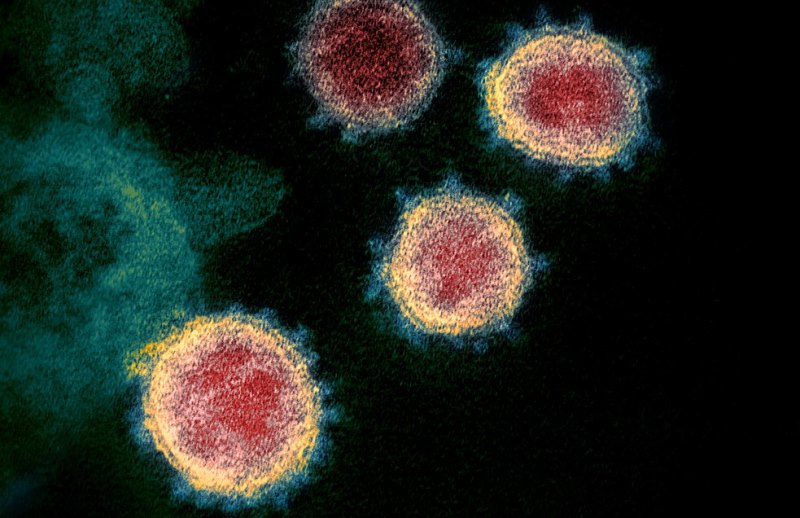
Preview Image: Novel Coronavirus SARS-CoV-2