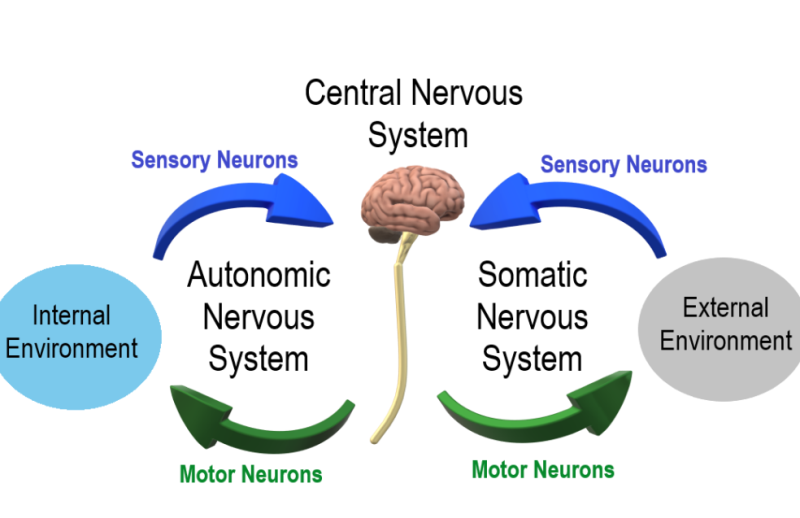
Grey matter is a major constituent of our central nervous system. It comprises neuronal cell bodies, neuropils, glial cells, synapses, and capillaries in our frontal brain lobe, where we think and feel. A small study at Georgia State University in Atlanta has suggested COVID-19 could shrink our brain grey matter.
What We Can Deduce from the Georgia State University Study
The study published in Science Direct in May 2021 (see link below). The researchers studied a group of 120 hospital patients, of whom 56 had COVID. Those who needed oxygen therapy had reduced grey matter in their frontal brain lobes compared with those who did not.
The reduced volume of grey matter in their frontal regions also had associations with more severe disability six months later. It appeared that fever during their illness made this more likely.
Covid Could Shrink Grey Matter and Cause Mood Changes
The researchers at Georgia State University in Atlanta noticed agitation among patients with reduced grey matter. Senior author Vince Calhoun, professor of psychology at the University explains a reduction of grey matter has also been present in other mood disorders. These include schizophrenia, and they are likely related to the way grey matter influences neuron function.
Can Our Grey Matter Grow Back After We Lose It?
A Reddit post informs that ‘harm to the nervous system was once regarded as devastating’. This was due to the then-assessed inability of central neurons to ‘regenerate correct axonal and dendritic connections’.
However, science has since made progress after researchers discovered the problem lay in an ‘unsupportive environment’, and they are working on it. Apparently fish, amphibia, and some mammals are already capable of recovering theirs.
However, in the interim we have to be even more careful now we know COVID-19 could shrink our brain grey matter. This means following those precautions we already know so well.
Related:
Lingering Mental Effects from COVID-19
COVID-19 Death Statistics Keep Climbing
Preview Image: Our Central Nervous System
Georgia State University in Atlanta Report