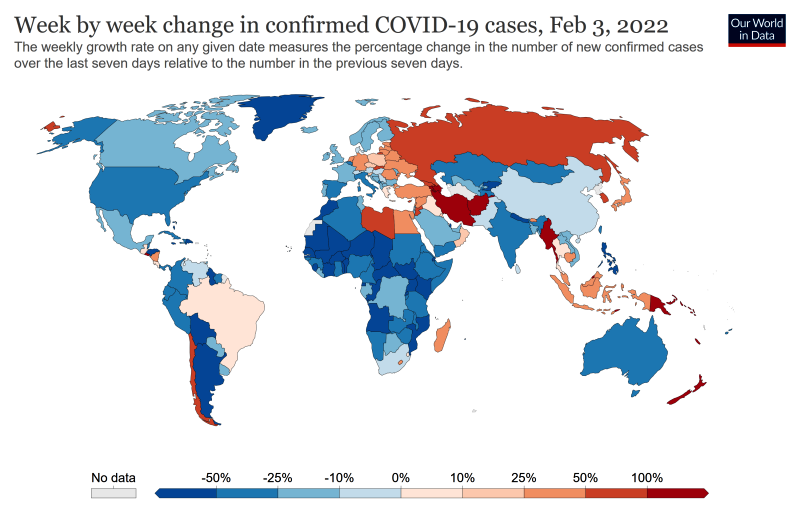
A disease morphs from a pandemic to an endemic when it reverts to being under manageable proportions. That development may be in sight for COVID-19 in regions with high vaccine / natural herd immunity. Harvard Chan School of Public Health has been looking ahead into a COVID-19 endemic and this is what it thinks it might be like.
What Will Living in a COVID-19 Endemic Be Like?
There will be less transmission, and fewer hospitalizations and deaths according to Yonatan Grad who attended the interview. He is Melvin J. and Geraldine L. Glimcher Associate Professor of Immunology and Infectious Diseases, and enjoys an enviable reputation.
However, there is insufficient information on the ground to predict when individual nations will reach that phase. This will depend on the efficacy of vaccines, the transmissibility of the virus, and patterns of social contact that encourage spread.
Are There Lessons from History That Could Provide Guidance?
We can benefit from past events while looking ahead into a COVID-19 endemic. The most recent global incident was the 1918 ‘spanish flu’ pandemic that swept the world. There have also been influenza pandemics in 1957 and 1968, as well as the 2009 ‘swine flu’. All of these subsequently subsided.
This push back to an endemic was due to a combination of factors. Medically-speaking these included herd immunity from past infections, and vaccination. But there were also social factors involved, as well as engineering solutions for example improved ventilation and personal protective equipment.
Looking Ahead Into a Covid-19 Endemic Will We Need Boosters?
Yonatan Grad is uncertain about this. Much will depend on the virus’ ability to evade natural immunity, and vaccines he says. We are still losing tens of thousands of people from influenza in United States annually, despite a century of experience.
And therefore it seems likely we will have to ‘keep our shields up’ against COVID-19 for a while longer at least. It is certainly not the only virus floating in the air.
We’re in the midst of a wave of respiratory syncytial virus that for most of us causes cold and flu-like symptoms. But that can be much more severe in infants, the elderly, and those with respiratory conditions. Could living in an endemic become the new normal between waves of infections?
Breaking News
Are We Moving from Pandemic to Endemic?
New Zealand Plans to Re-Enter the World