The Omicron variant has become the most prevalent of all COVID-19 strains. Therefore, we should be grateful the symptoms are generally so mild. However, it does still pose a threat to high risk groups, and so it makes sense to know if we have it, and could pass it on to a vulnerable person. We review the commonest symptoms of Omicron BA.5 with this in mind.
The Commonest Symptoms of Omicron BA.5 Are Mild
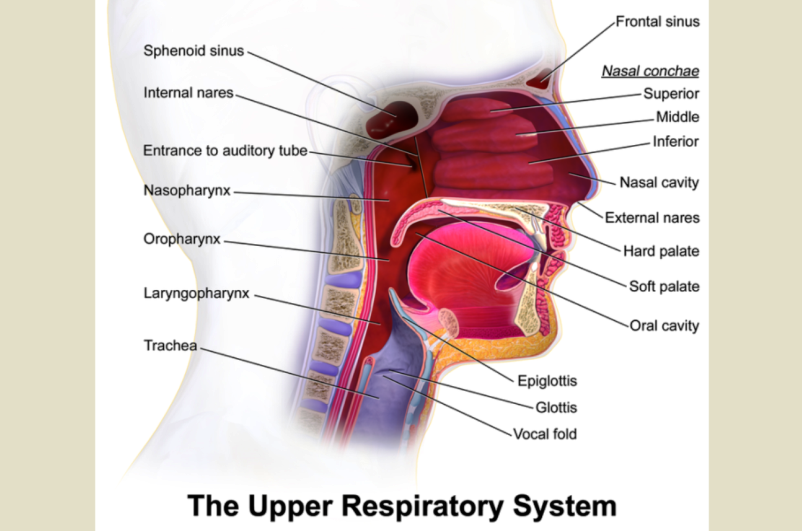
A recent Zoe Study (see link below) found the variant is far less likely to affect the lower respiratory tract. So instead, it is more likely to appear in the form of a sore throat in the upper respiratory tract. Times of India reports this early sign appeared 63% of the time on the Zoe COVID app.
However, this is not the only symptom we might expect if we catch Omicron BA.5. That’s because we COULD also be experiencing some of these.
- Runny nose
- Cough with phlegm
- Hoarse voice
- Sneezing
- Fatigue
- Muscle pains
- Dizziness
We MIGHT also have other symptoms too, that were common during the Delta variant phase. Times of India lists loss of taste and smell, chest pain, chest tightness and shortness of breath in this regard. However, these are thankfully rare with Omicron BA.5.
But the Sting Could Be in the Omicron Tail
A study appeared in Kaiser Health News on September 3, 2022 that explored the links between Omicron, reinfections, and Long COVID. Mercury News curated it, and provided a summary we link to below. Our main takeaway is Omicron BA.5 CAN leave us with a Long COVID hangover.
We COULD then be saddled with debilitating fatigue, difficulty breathing, chest pain, and brain fog for months. But we don’t have clarity on the likelihood of this yet. We may be wise to tread carefully until we know for sure.
Breaking News
COVID Nasal Booster Available in China
Detecting COVID in a Human Voice With A.I.
Preview Image: The Upper Respiratory Tract