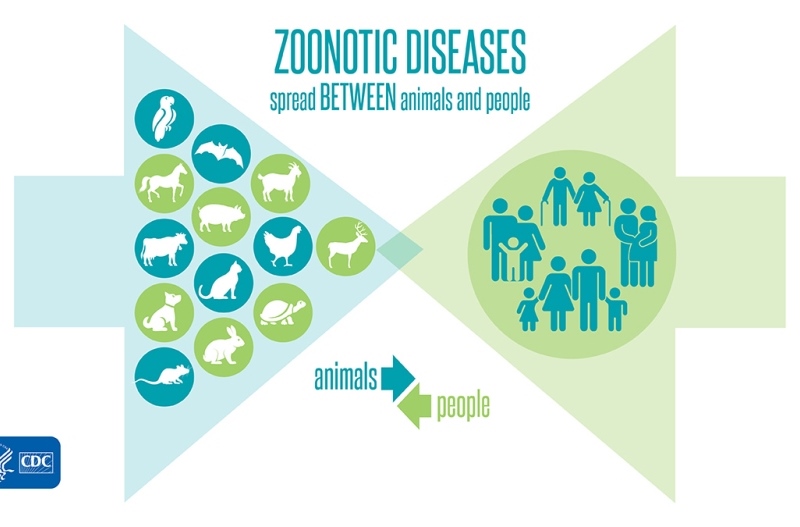
The chances of the COVID-19 virus jumping from animals to people is rare. Although there is a strong possibility this happened in Wuhan in late 2019, and what happened once can happen again. The virus can also travel in the other direction. A number of studies reveal how sharing COVID between people and animals happened in the past. We delve briefly into this topic today.
Sharing COVID Between People and Animals – Examples
U.S. Centers for Disease Control and Prevention confirms cases occurring involving owners, and other people in close contact. They say their database is incomplete, however those cross-infections have included the following:
- Pet cats, dogs, ferrets, hamsters and other domesticated animals.
- Large and small animals living in shelters, zoos, and sanctuaries.
- Animals used for agricultural purposes, most notably mink
- Wildlife living in the wild with human contact, including some deer.
It follows we should take care not to infect animals, including pets if we have a close contact, or a confirmed COVID-19 infection. And that’s especially because they may not show symptoms, and we don’t know how future variants may behave.
The Chance of Animals Infecting People with COVID
Sharing COVID between people and animals confirms a genetic overlap which was already well known. Therefore, logically speaking it is reasonable to expect the virus could jump the other way from animals to people too. Although U.S. Centers for Disease Control and Prevention (see link below) advises this is rare.
Known cases include mammals such as farmed mink in Europe and the United States, white-tailed deer in Canada, pet hamsters in Hong Kong, and a cat in Thailand. CDC points out these are rare occasions, and they are insufficient reason to euthanize animals.
Breaking News
How Likely We Were to Die from COVID
Is the Pandemic in a Lull or Almost Over?