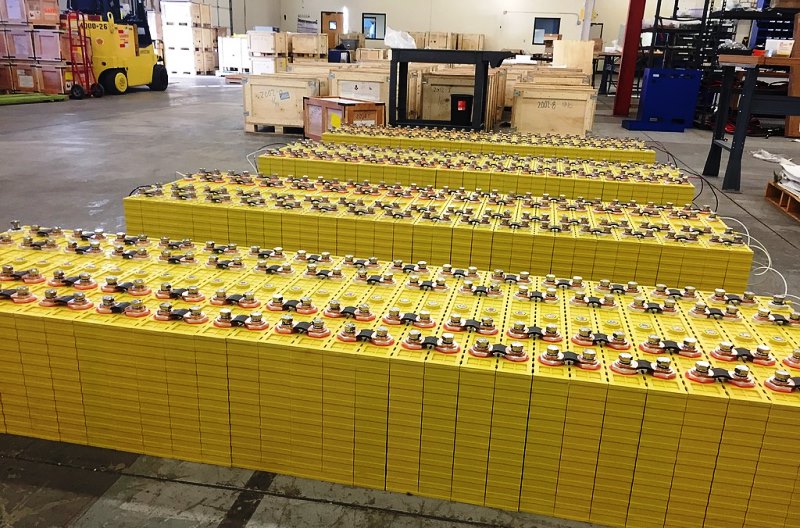
LiFePO4 batteries get their name from their key materials behind electricity storage. Thus the elemental symbols Li, Fe, and PO4 are short for Lithium, Iron, and Phosphate respectively. But that’s not all to them either. Forbes said on October 4, 2022 their chemistry is ‘storming the battery market’. Will something finally take Lithium-Ion down a peg or two, we wonder?
How Are LiFePO4 Batteries Challenging Lithium-Ion?
Well first of all, as Forbes points out on October 4, 2022, rechargeable Lithium-Ion batteries use cobalt in their cathodes. This material is relatively expensive despite questionable labor practices at some mines. It is also relatively rare, and China has a large stake in its extraction.
The phosphate in LiFePO4 batteries is more abundant, easier to extract, and therefore cheaper to obtain. This makes them a natural companion for solar panels, and that market is booming! However, the catch is their density is lower than Lithium-Ion, meaning LiFePO4 is lagging in the energy-storage stakes.
However, the money is on the money, and money speaks loudly. Many market segments are willing to trade storage density down, in order to secure a lower price. Forbes concurs with the prevailing view that Lithium Iron Phosphate will command 40% of the battery market by 2030.
Why Others Believe Lithium Iron Phosphate is Simply Better
However, some authorities on the subject believe LiFePO4 batteries are an improvement on their own merits. Perhaps we should begin by pointing out that Lithium Iron Phosphate cells can withstand high temperatures, and are largely incapable of catching fire.
Moreover, they may have lower density, and be unsuitable for wearables like watches. But on the other hand they outlast Lithium-Ion by a factor of four, and this is really significant in the mass commercial market.
And finally, we can deep-discharge the newcomer, and recharge it 5,000 times. So at least for now it seems possible Lithium-Ion may lose its top status. Depending on what Lithium-Ion technology gets up to in the interim, of course! Competition is good!
Breaking News
Reinforcing Gulf Coast Historic Properties