Energy density is the amount of power per unit of volume in a defined space. However, this only includes the amount of energy we can actually access. We can’t use the potential energy in a boulder teetering on a rock face to charge our phones. Energy density in batteries is therefore their available power when fully charged, although we express this per unit of volume.
Further Increasing Energy Density in Batteries
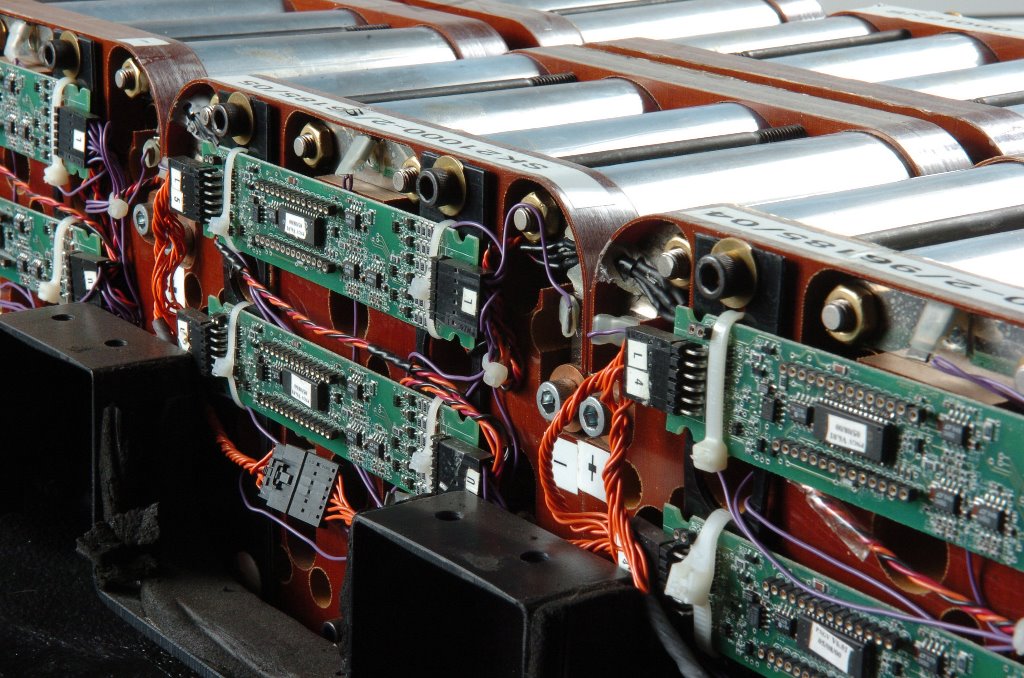
Lithium-ion batteries are the best overall chemistry in terms of density and ability to recycle, and also size and weight. This combination has opened the door to new technologies including electric vehicles, personal devices, and wearables.
However, we need to continue improving on their energy density, because their time between recharging cycles is still short of our demands. We want electric vehicles with thousand mile ranges, and smartphones that last a week. But we also want thinner, smaller batteries while their price must come down further too.
Battery Makers Are on the Hunt for Better Solutions
Battery makers know consumers are fickle. We follow brands where energy density in batteries is best. Lithium batteries opened to the door to portable electronics, cordless power tools, and electric transport. However, their energy density, or time between recharging remains an elusive challenge.
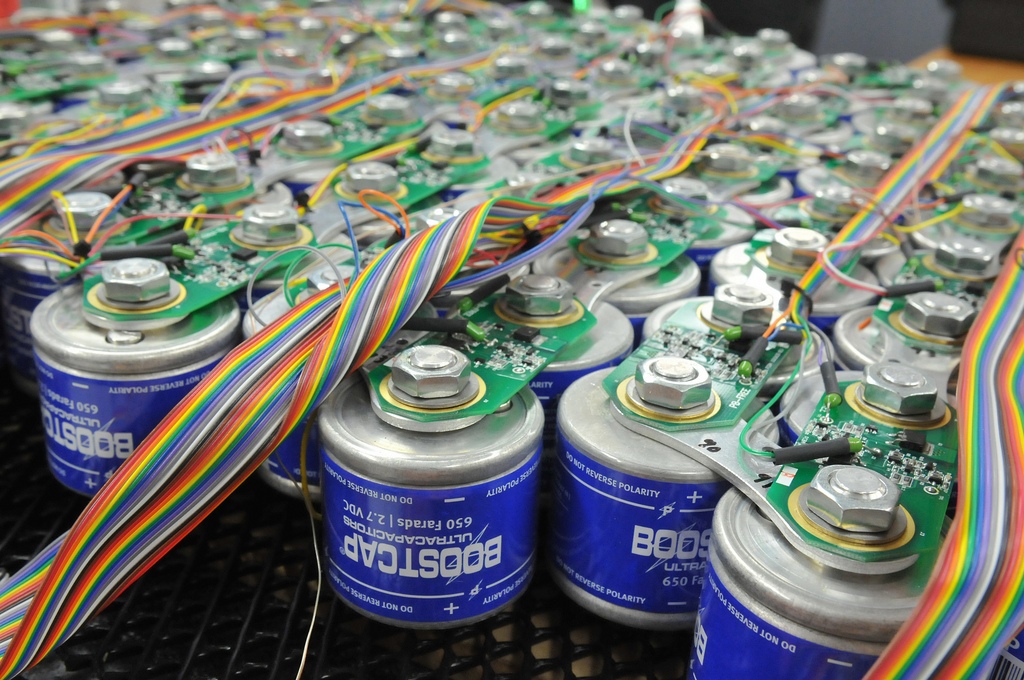
Perhaps it’s true that we have taken lithium-ion chemistry as far as we can in terms of density. Graphite anodes are durable, but their ability to absorb more ions is still a great challenge. Scientists continue to search for more efficient anode materials.
We have reported promising laboratory experiments at nano-scale. However, we don’t see much evidence of a commercial desire to take them to market. Closing out gasoline cars is another case in point. Investors have sunk too much capital to want to let go of petroleum.
Related
Improved Aqueous Lithium-Ion Battery
Lithium-Ion Manganese Oxide Longevity
Preview Image: Lithium-Ion Battery Protection