In electricity, batteries are devices that store energy for future use. The ones we use for renewable energy storage have limited capacity, and we may replace them completely eventually. However for now, we have to make the best use we can from electrochemical battery storage technology. We discuss how it works, and progress made to enhance it.
Electrochemical Battery Storage 101: The Basics
Electrical batteries use chemistry, well actually chemical potential to store energy we can use as electricity. But many other everyday resources do so too. Think of the logs we burn on a campfire to release heat on a chilly evening. Gasoline-oxygen fumes release energy when a spark ignites them to power our automobiles, although we must stop doing this soon.
Electrochemical battery storage is a process whereby we store energy in chemicals. This power releases when we connect the battery to a suitable electrical device. The process continues until the battery has released all its energy. Although we can replenish it by recharging the battery if its design allows this.
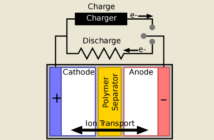
This cycle of discharging and recharging a battery involves subatomic electrons and ions moving from, and returning to storage. Physically speaking, these travel between a cathode and an anode via a controller we call electrolyte. Current battery research focuses on the materials in these three components.
The U.S. DOE Office of Science
The United States’ Department of Energy Office of Science is conducting deep research into electrochemical battery storage. They claim this has yielded ‘significant benefits’ although they admit we are still far from ‘comprehensive solutions’.
Hence they continue to search for ‘next-generation energy storage using brand-new materials’. Substances that could ‘dramatically improve how much energy a battery can store’. And encourage the wide use of electric vehicles replacing gasoline energy.
New knowledge is constantly emerging from academic research at top universities and colleges. The Department of Energy’s Joint Center for Energy Storage Research strives to turn this theory to practical applications. However, few of these ideas ever reach consumers at work, and in their homes. We continue to make best use of what we have.
More Information
Energy Storage is a Key to Our Future