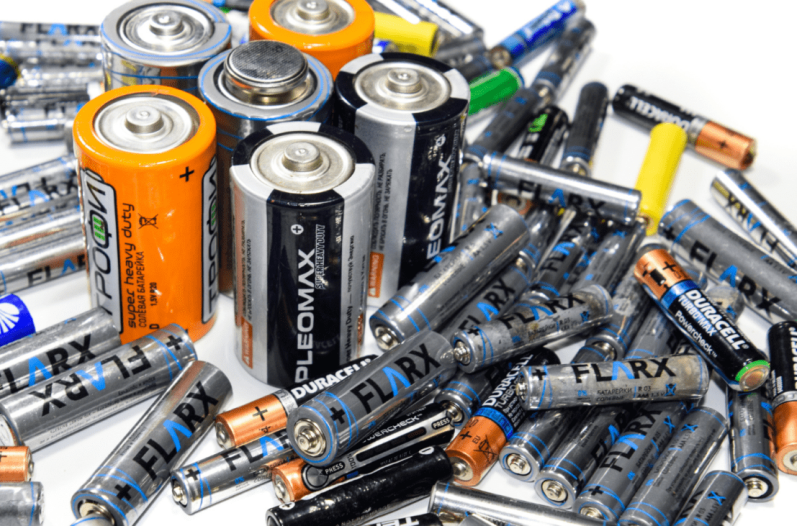
No, we are not writing about black oil here. The term, as we use it refers to a black powder comprising nickel, manganese, cobalt, lithium, and graphite extracted from recycled batteries. These materials are then relatively easy to separate out, so they can reconstitute new batteries again. Refining black gold this way is already reality in Norway, where mining is a last resort.
Why the Focus is On Refining Black Gold
Nickel, manganese, cobalt, lithium, and graphite play a critical role in rechargeable batteries. This could change in the future. But as things stand with renewable energy, it would be difficulty to counter global warming without them.
Sure, we could just keep on wrestling these minerals from the earth, or finding ways to extract them from the ocean. But there are several reasons why refining black gold is a better way:
- Extraction of new supplies requires large amounts of energy, mainly currently dirty electricity.
- This increases the carbon in the atmosphere, which is the problem we are trying to solve.
- Underground, and deep-sea mining both have potential to damage the lower levels of the food chain.
Therefore It is Smarter to Recycle What We Have
A company in south-east Norway is following that better way at Europe’s biggest plant for recycling used, or defective electric car batteries. First, it methodically empties the individual battery cells from their aluminum battery casings, after removing the electricity. Then it sets the aluminum aside for future processing.
The recycling plant in the port city of Fredrikstad next crushes the battery cells into the fine black powder we mentioned earlier. This goes to third parties who separate the minerals, and turn them into fresh batteries with far lighter carbon footprints.
More Information
Electric Vehicle Future Bleak Say Some