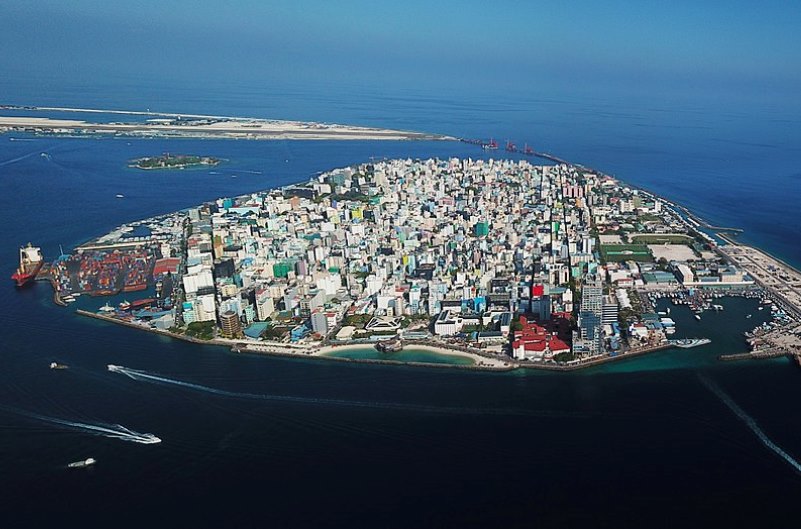
Climate change could severely affect the future of remote, far-flung islands, if warming continues. Many remote settlements could become uninhabitable this century as ocean levels rise, or even submerge islands completely. Island communities have not contributed significantly to this problem. None the less, the benefits of battery trains could make a difference, on the basis that every inch of progress helps.
The Benefits of Battery Trains Compared to Electric
Battery trains score on some dimensions, compared to mainline electric and diesel alternatives. We compare the major benefits below, because there could be paybacks for almost everyone, everywhere.
- Battery trains do not use coal or diesel for their automotive energy. They also do not require the overhead lines, or third rails of mainline electric trains.
- However, conventional electric trains do not bear the weight of batteries, and therefore have a higher power-to-weight ratio. They can accelerate faster, and require fewer locomotive units.
The Disadvantages of Battery and Electric Trains
Battery trains run on portable power, but they need an electric boost to top up their storage cells. The infrastructure is expensive, and complex to install if the supply must come from a distance.
- Battery trains can only operate economically in areas with electricity at the point they need it. But storage batteries and solar panels could increase their driving range, once renewable energy density has caught up.
- Conventional electric trains require online third-rail networks, or overhead lines everywhere they go. They reduce demand for new highways, and lessen the need for combustion engines, but not yet to the extent we need.
Both electric and battery trains require an external electric supply to operate. Electric trains still source (most of) their energy from utilities relying (partly) on coal and gas.
Battery trains could become greener if they charged their batteries with solar panels. We will have to wait a while for this technology to catch up with our hopes, and bring the power to them. Meanwhile the ocean levels continue to rise while the world sleeps on.
More Information
Grid-Plus-Battery Trains Surpass Hydrogen