

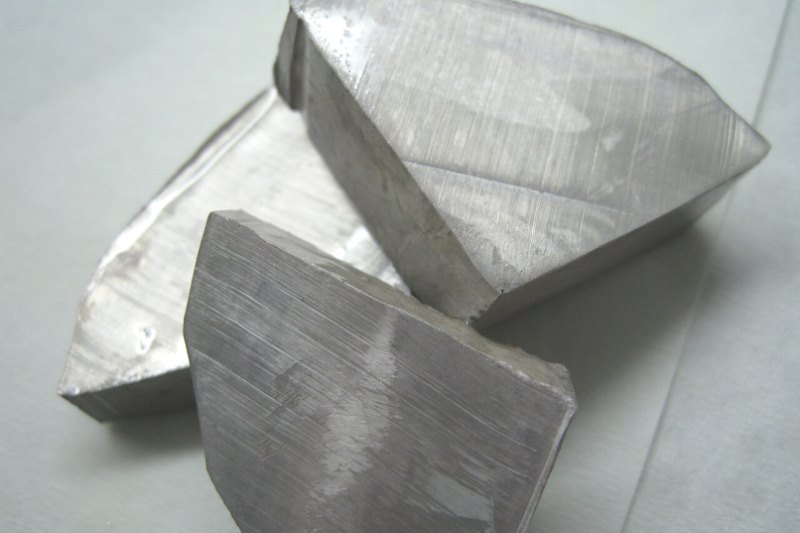
There are various types of sodium-ion batteries on the market, which use their ions as their charge carriers. Sodium belongs to the same periodic table group as lithium, and has similar chemical properties but it is more abundantly available. However, sodium technology has less density, or the amount of energy it can store. This opens the gate for more expensive lithium to increasingly dominate the storage battery market.
Interest Steadily Shifting to Sodium Technology
A series of lithium battery fires has dented consumer confidence in lithium technology in high cost applications. The race is on to develop a superior sodium-ion battery, which could eventually replace lithium-ion. There are signs of increasing interest in this option, including in China which has the largest battery-manufacturing capacity in the world.
The reasons for this shift in focus include:
- Less-expensive sodium technology does not require costly nickel and cobalt minerals.
- Sodium batteries are less prone than lithium ones to overheat, and potentially catch fire.
However, sodium-ion batteries present the following challenges:
- The sodium supply chain is immature. There are limitations to battery shapes according to Medium website.
- Sodium batteries charge and discharge relatively slowly, due to lesser density and slower ion exchange.
Recent Breakthroughs in Sodium-Ion Batteries
Lithium-ion batteries have higher density than sodium-ion, plus a longer cycle life and greater efficiency. But they are far from perfect in terms of extraction and production costs. Moreover, they degrade over time, and there is a danger of thermal runaway, although advances in technology mitigate this.
Our research suggests growing interest in sodium technology. The Medium website confirms Northvolt AB’s recent breakthrough in Sweden. Meanwhile, China’s EV battery giant BTD Co is building a $1.4 billion sodium-ion battery plant, while CATL will start selling sodium batteries soon.
There are signs of lithium-ion’s dominance gradually waning, as other technologies steal a march on it. Global warming appears to be increasing steadily. The world needs better, safer batteries, and sodium might well be part of the solution.
More Information
Hydrogels Stop Sodium-Ion Battery Corrosion


