Perhaps the times really are a-changing, or maybe the extreme temperatures some are experiencing are just a trend. Whatever the case we should remember that batteries are temperature-sensitive, if we want to get the best out of them. This short post is about optimizing battery performance, especially if we are experiencing extreme weather conditions.
Optimizing Battery Performance When We Travel
The weather varies quite considerably as we travel south from Anchorage, all the way down to California through Canada. Seasonal variations add another dimension to the mix for humans, and their electric storage batteries too. Chemistry can be a wild card beyond our immediate control here.
Batteries also have ideal operating temperatures at which they perform their best. We can help them achieve this by keeping them in the same temperature range at which humans are most comfortable. It helps if we understand the science behind optimizing battery performance.
A Shallow Dive Into Temperature-Sensitive Batteries
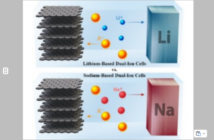
Batteries contain several well-matched materials containing active chemicals, for example nickel-cadmium and lithium-ion. We activate battery chemistry when we charge them with electricity, where after they store this energy as chemical potential.
This reaction reverses when we release the chemical potential as electricity, by connecting the battery to an external circuit. So much for battery chemistry for now. Our takeaway is that these chemical reactions are most efficient when the battery is within a temperature range.
The optimum temperature range for the batteries we commonly find in our stores is between between 15 and 35°C (59 and 95°F). There are three principles to remember here:
- Battery chemistry and battery performance slow at cooler temperatures.
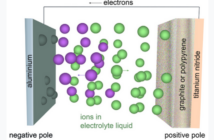
- The opposite reaction occurs as they warm and their ions flow faster.
- Extreme temperatures, for example fires, can lead to battery-safety risks.
Does Optimizing Battery Performance Really Matter
Our phones and our electric vehicles don’t perform as well during cold snaps, although that’s just a personal inconvenience. The real impact is the effect this has on electricity storage at utility grid level. Burning fossil fuel is behind climate change. Temperature-neutral batteries could help break this cycle.
More Information
Will Tetris-Shape Batteries Put GM Ahead