Nickel-cadmium and Li-Ion batteries on board passenger aircraft have an important job to do. They provide power for emergency and navigation systems if the auxiliary power unit fails. They also keep the cabin gently illuminated during take-off and landing.
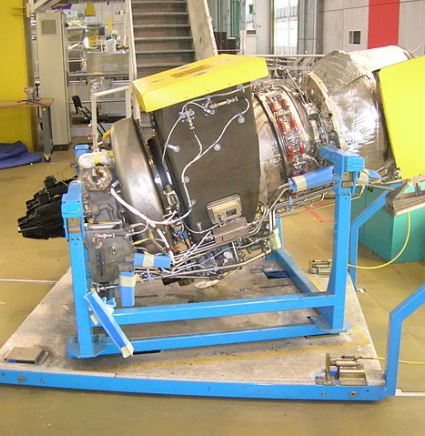
Many commercial jet planes still use nickel-cadmium batteries. These start a small turbine engine in the tail. This then jump-starts the main engines so the aircraft can soar into the sky. It is amazing to think that batteries are quietly achieving such an amazing thing.
Nickel-Cadmium versus Li-Ion Batteries
The Boeing 787 Dreamliner uses Li-Ion batteries also found in fighter aircraft. Airbus offers a choice of these, or nickel-cadmium. The tipping point between the two is migration from hydraulic to electrical systems. Higher energy dense Li-Ion batteries meet the demand better. A few much-publicized heat failures are causing manufacturers to reconsider the product.
Smaller aircraft use lead-acid batteries, which require less maintenance. These may be either 12v or 24v. International standards require capacity to crank the engine for 25 to 40 seconds at high current. Next time we hear that motor whining in the aircraft, we will know it is our old friend the battery faithfully doing its job.
Is Electrically Powered Flight Possible?
Not for now at least, the batteries would be too heavy. Until we solve this challenge, their job will be to start the engines and provide back-up power when these fail.
Planes will continue to fly on fossil fuel for a while longer. Scientists are experimenting with micro-electric planes but these are early days.
Li-Ion batteries are popular in satellites because they cycle well and are lightweight. Mars Curiosity Rover uses special lithium-nickel oxide cells that partly charge and discharge to keep them going longer. We never cease to be amazed how essential batteries are for progress. It is as if they lead the way with ‘everlasting light’.
Related
What metals are used in Batteries?
New More Energy-Efficient Fuel Cells Developed to Provide Electrical Power on Planes