Natural, renewable energy is currently the only way to phase out carbon fuels that are corrupting our atmosphere. However, as we know well by now, we need to ‘file this energy away’ in the daytime, so we can retrieve it at night. We review the proven energy storage media currently available, and conclude that batteries are the best option at present.
What Other Proven Energy Storage Media Are Available?
We set aside all the emerging technologies, because these are still small-scale prototypes. Based on this, hydro pumped energy storage dams are one of only two proven energy storage media currently on the table. However, those hydro dams have several drawbacks, as Green Building Africa points out:
- New storage dams with accompanying pipes and generators are hugely expensive.
- Such projects need to be in mountainous locations, with abundant, reliable water.
These two fundamental limitations exclude pumped energy storage, as a world-wide solution for rich and poor nations alike. By the process of elimination this makes storage batteries the only viable option at this time.
If Storage Batteries Are the Only Option, Where to From Here?
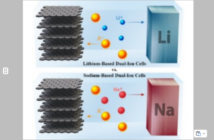
Lithium-ion batteries are currently our best bet for energy storage on paper. They are ahead of the pack in terms of density, and pump out an impressive 3.4 volts. Although this market advantage could change, as flow and solid-state batteries evolve, and sodium-ion alternatives roll out in increasing numbers.
There Are Proven Problems With Lithium-Ion Storage Media
Lithium-ion batteries degrade the moment they begin operating, and this limits their useful life. They also rely on expensive materials, including cobalt which has a dubious supply line. And they are difficult to recycle too.
And finally, the core active material, lithium metal, catches fire and even explodes when a battery runs out of control. This makes lithium batteries a stop-gap solution, we might not tolerate if they had effective competition.
Our world of batteries is restless for a better alternative. One which will last longer, uses cheaper materials, and is stable and safe. There are many hopeful alternatives spinning off research. We will continue writing them up, as we wonder which will be the first one to break through in significant volumes.
More Information
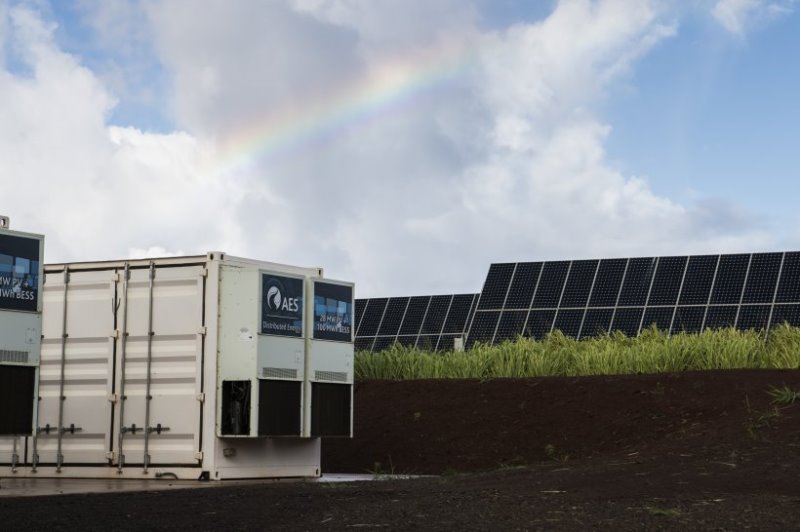
Utility Scale Battery Storage Growing Rapidly