The remarkable story of the battery from a commercial perspective, really began in the early 20th century. That’s because prior to that, electrochemistry was the playground of a few curious scientists. But that situation was bound to change, as our forbears discovered what they could do with electricity. And developed an appetite to store it, and use it later too.
The Story Continues With Battery Storage
There were only two practical ways to get your hands on electricity in the early 20th century. These were to either connect to a utility supply, or to purchase a free-standing generator. However, it was not long before cumbersome, freestanding batteries arrived to power telegraph stations.
Other needs soon emerged, ranging from electric cars to portable flashlights, and a whole lot more besides. Each of these applications had varying requirements in terms of voltage, amperage, capacity, size, weight, and of course cost. Renewable energy was not even a dream in those days.
All Those Batteries Were Similar in Principle
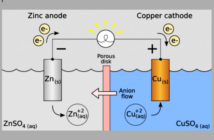
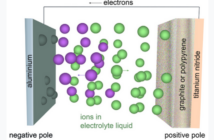
All electrochemical batteries remained true to Volta’s scheme of two different electrodes, and a separating electrolyte. This trend is continuing, although battery scientists are working to change this paradigm.
Much effort is going into tweaking the composition of active materials in the negative and positive electrodes, as the remarkable story of the battery continues. Early scientists used zinc and copper on account of their high conductivity.
The Tale of the Battery Goes On Unabated
The first batteries were single use, primary designs which consumers trashed when they were spent. However, Gaston Planté revolutionized battery science, when he invented the rechargeable lead-acid battery which is still so popular today.
We did not aim to give you a history lesson when we wrote this article. Instead, we just wanted to share the basics in broad brush strokes. We trace the ongoing evolution of batteries in our blog here, and we can’t wait to see the next chapter roll out.
More Information
Dry Cell Battery History And Working Principles