Electrification of flight has been disappointingly slow, compared to private road vehicles. The impediment continues to be the amount of energy per cubic foot of battery, and/or per pound of weight. These factors are particularly critical to the success of air transport decarbonisation. Today we ponder over how far batteries will take us on our aerial journey, if we are realistic.
Aircraft Size, Battery Density and Cost Per Passenger
Price is an important factor for most every airline passenger. This in turn is a function of how many seats share the cost of the flight. Few of us, if we are brutally honest, will pay more for the privilege of flying on batteries.
Batteries occupy space that could otherwise accommodate more passengers, and bring down the average price of air tickets. This is why the industry needs to increase the amount of energy per cubic foot of aircraft battery, and/or per pound of weight. Because this determines how far their batteries will fly their aircraft.
Engineers have tweaked the fuel efficiency of conventional combustion systems for a century. They have stretched their energy ratio close to the theoretical maximum. But modern batteries are still in their relative infancy, because the aircraft industry ignored them for so long.
Engineers Stretching the Limits of Battery Flight
We came across an interesting article in Flight Global, detailing the current state of the electric aircraft game. We were disappointed to learn that some operators believe ‘the technology is not yet ripe’.
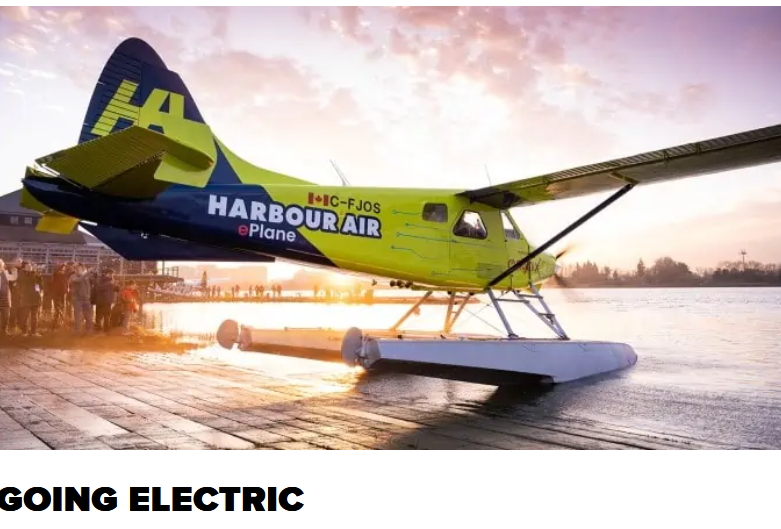
However, other passenger aircraft managers are more optimistic. Canadian seaplane operator Harbour Air, for example, has ordered 50 power trains to electrify some of its 44 aircraft, beginning with its De Havilland Beavers after a successful trial.
Other airline companies are exploring hybrid aircraft, where conventional power trains lift them into the sky, but batteries keep them up there. Still others speak of combining them with hydrogen. How far batteries will take an aircraft really does depend on our imagination.
More Information
Passenger E-Flight Needs Better Batteries