

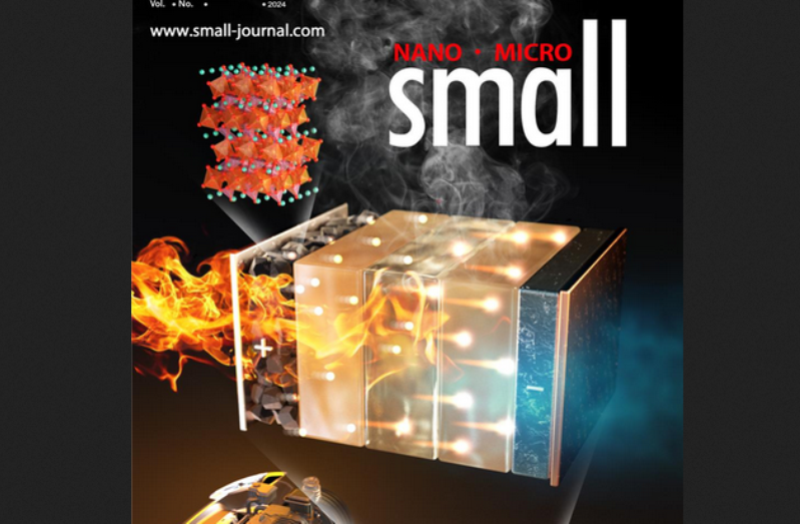
A series of electric car battery fires in South Korea, has caused a lack of confidence in these vehicles in some quarters. Battery and vehicle makers are racing for a solution that will recover their markets. A team of scientists at Korea’s Daegu Gyeongbuk Institute of Science and Technology (DGIST), say they are ahead of the game with a triple-layer fireproof battery.
Rationale Behind the DGIST Triple-Layer Fireproof Battery
Conventional lithium-metal batteries with solid polymer electrolytes, have structural problems that discourage optimal electrode contact, according to Lab Manager.These batteries also develop dendrite-like structures. These may penetrate the electrolyte and cause an explosive short circuit.
In a nut shell then, the DGIST team created a triple-layer fireproof battery, with a solid electrolyte that enhances fire safety. Their design also extends the lifespan of the battery, which holds promise for better, safer electric vehicles, and large-scale energy storage systems.
More About How the DGIST Team Achieved Their Goal
The DGIST research team developed a triple-layer structure for the electrolyte, each of which layers has a distinct function:
- The outer decabromodiphenyl ethane layer prevents fires.
- A zeolite additive enhances the electrolyte’s ability to resist dendrites.
- A high concentration of lithium salt facilitates rapid movement of ions.
The press release that we link to below explains how the robust middle layer boosts the battery’s mechanical strength. While its soft outer surface ensures optimal electrode contact, promoting rapid movement of lithium ions. Combining these innovations enhances internal efficiency, while preventing dendrite formation.
The triple-layer fireproof battery retained 88% of its performance after 1,000 cycles, and had proven ability to extinguish fires, although how the decabromodiphenyl ethane layer achieves this is not clear. We expect this development will add impetus to the commercialization of lithium-metal batteries, using solid polymer electrolytes.
More Information
Lithium Metal Sandwich Battery Cracks Code
Lightweight Lithium Metal Takes Center Stage
Preview Image: Triple-Layer Battery by DGIST
DGIST Research Report in Science Daily


