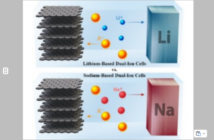
Lithium ion batteries dominate world battery markets, because of their high energy-storage density. Although there are criticisms concerning their safety, and sustainability in the long run. Sodium ion batteries increasingly receive attention as a potentially viable alternative. We compare sodium ion and lithium ion battery chemistry, so you can make your own independent decision as to which one is better for you.
Lining Up Sodium Ion and Lithium Ion Batteries
We compare sodium and lithium battery types in terms of energy storage capacity, as well as density, cost, safety, and environmental impact factors.
We find that sodium ion batteries compare well with lithium ion in some aspects. However, lithium still beats them in terms of several critical factors:
- Sodium ion scores well in terms of key raw material availability, and cost. Sodium is far more abundant than lithium, and as a result lithium is considerably more expensive. Therefore, sodium ion is an attractive proposition in terms of cost, especially for battery energy storage systems.
- Sodium ion batteries have a low thermal runaway risk, because sodium metal is less reactive, and non flammable too. Lithium ion batteries, on the other hand, can catch fire or explode if damaged, or exposed to extreme conditions. They also have a medium thermal runaway risk.
- However, and this is a major factor, sodium ion and lithium ion differ markedly in terms of their energy density. This is because lithium stores more energy in terms volume or weight. This factor is critical for electric vehicles and portable devices, where battery size and weight matters.
- But the real deal breakers for sodium ion are its relatively poor performance across two critical dimensions. Lithium ion batteries charge and discharge many more times, and deliver more volts over a longer period, which is what consumers want.
So In Summary, Lithium is Still Better Than Sodium
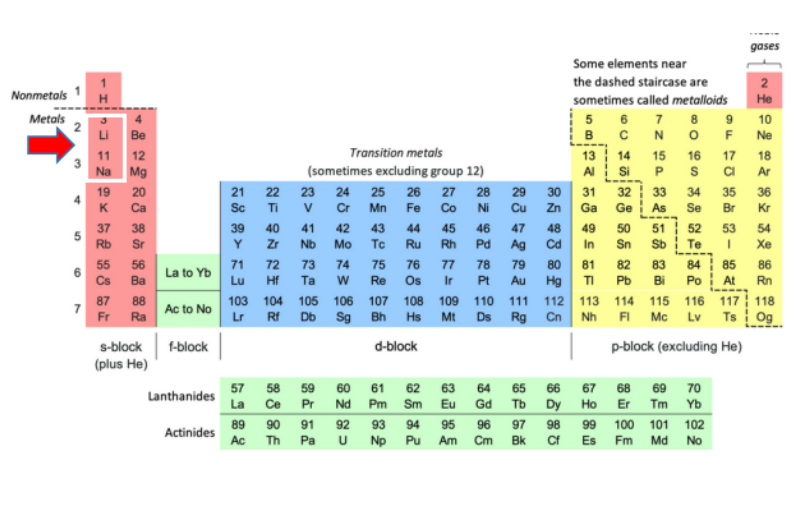
The two battery types are similar in design, except their critical metals vary. Each of them has distinctive advantages. Lithium ion satisfies consumer demand for convenience, albeit it at a slight risk. While utilities may come to favor sodium ion, for its more solid dependability.
More Information
Sodium Is Still Lagging Behind Lithium