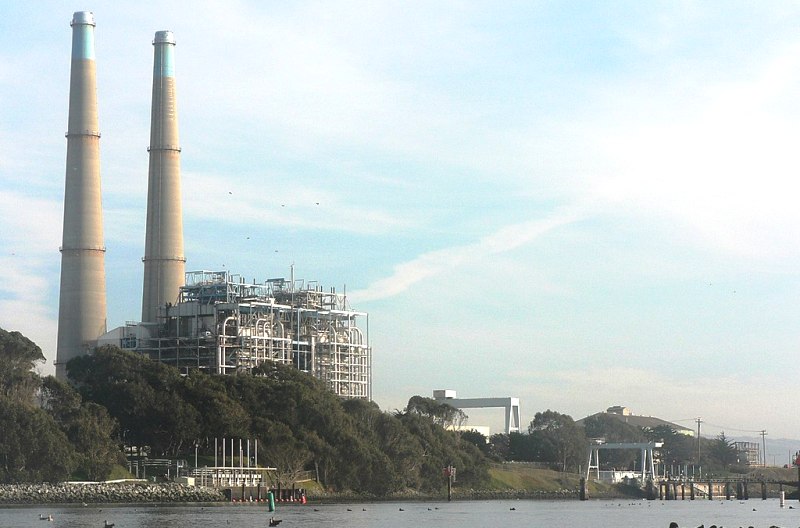
The lessons from the Moss Landing battery fire are still unfolding as we write. We won’t repeat the historic details here. Please see links to two of our earlier posts below, if you would like to catch up. Dismantling the ruins and disconnecting the remaining batteries has begun. However, the consequences for battery storage are still unclear.
Separating the Batteries from the Moss Landing Debris
An editorial in MSN News explains what a complex process this is. The lithium-ion batteries that burned were part of the original installation, but some of these escaped the fire. It could take more than a year to clear these batteries, because some are still inaccessible in the debris.
And so, unfortunately, we can still expect smaller fires to break out again, as they have. Some of the original lithium batteries will have suffered damage, while all will have experienced extreme heat. The older generation batteries that burned were stacked together, which complicates matters further.
This original configuration used early lithium-ion chemistry, which as we know reacts aggressively in the presence of heat. This heat can spread easily between adjacent batteries in tight stacks. Nowadays they would have been in metal containers. But the lessons from the Moss Landing incident are not over.
The Lessons for Battery Storage Are Clearer
The California Public Utilities Commission has issued new safety regulations for battery energy storage. The Californian news channel confirms that these ‘enhance oversight’, and require local involvement in emergency planning.
Meanwhile, the lessons from the Moss Landing fire in terms of public health are still unfolding. Although the California Public Utilities Commission has promised to share this information in the public domain when it is available.
Meanwhile the show must go on, because we must have bulk battery storage for renewable energy to work. It is not clear how these new regulations will affect projects approved and / or already in progress.
“It is encouraging to see these regulations,” Monterey County Supervisor Glenn Church told The Californian news channel. “It is unfortunate that it took a disaster, such as the one at Moss Landing, to compel the California Public Utilities Commission to act.”
More Information
Energy Storage and the Future of Batteries