

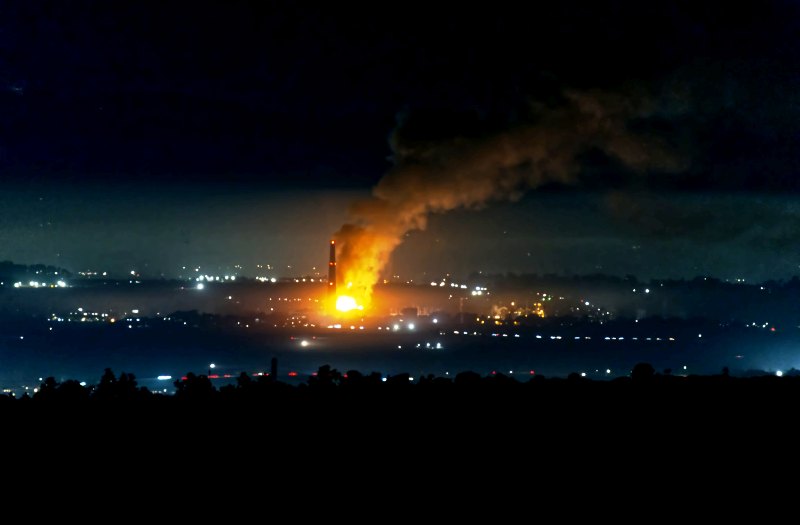
Energy storage and the future of batteries have become like two sides of a coin. Renewable energy is the only viable alternative to oil, coal and natural gas. But we need batteries to store this resource in meaningful quantities. The recent fire at Moss Landing Power Plant in California sent shock waves through our industry. What could this mean for the future of battery storage?
The Future of Batteries as Energy Storage Media
Massachusetts Institute of Technology posted an article in The Spark magazine that inspired this post. Although their content tended to raise more questions, than answer them directly. However, it is a demonstrable fact that the environmental impact of the Moss Landing fire is a cause for concern:
- Some residents living in the immediate area report health issues they blame on the fire.
- Moreover, some environmental tests reveal pollutants in the soil and water in the area.
These concerns raise questions regarding energy storage and the future of batteries. However, as we write, more renewable energy resources are coming on line, and with them more battery storage systems too.
The batteries that burned so fiercely at the Moss Landing Power Plant in California, date back to 2020. Since then, new chemistries have come on line that should be safer. So is this just a ‘flash in the pan’, or should we be more deeply concerned?
The Moss Landing Power Plant Fire in Perspective
Massachusetts Institute of Technology’s article in The Spark magazine has these wise words to share. “Technologies that help us address climate change, still have the potential to cause harm, and taking that seriously is crucial.”
But the article goes on to point out that, “The oil and gas industry has a long history of damaging local environments, and putting people in harm’s way”. And that not just by way of isolated incidents. Oil, coal, and natural gas are driving the widespread effects of climate change too.
Massachusetts Institute of Technology argues the point, that renewable energy resources do not drive global warming. However, they do concede that, “Battery energy storage systems are complex machines … with a lot of potential failures.”
Our industry needs to continue to focus on safety measures that are up to date with the Moss Landing Power Plant lessons. For if battery manufacturers do not do so, then the safety of energy storage and the future of batteries could be entering uncharted territory.
More Information
Moss Landing Battery Fire Demands Answers


