A pacemaker implant sends electrical impulses to stimulate the heart, when it senses the heartbeats are too slow. The device comprises a battery, a computing device, and one or two wires. Researchers at Northwestern University Feinberg School of Medicine, have developed a temporary rice-size galvanic pacemaker, that simplifies the medical procedure.
A Temporary Pacemaker Smaller Than a Grain of Rice
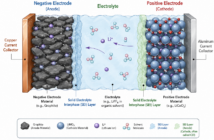
The Smithsonian Magazine announced the news on April 4, 2025. They describe how the miniature medical device uses an in-situ galvanic cell, to deliver electrical impulses. In other words, it works like a conventional battery, with two electrodes plus a liquid electrolyte comprising body fluids.
This is a huge step forward from a conventional, larger pacemaker, that requires surgical placement, and extraction when necessary. The new device is so tiny that a surgeon can inject it into the patient with a syringe. And when its useful life is over, the patient’s body naturally absorbs it.
This could be an ideal solution for patients with short-lived bradycardial slow heartbeats. The research report we link to below explains that this may occur after an operation. It goes on to list further electro-therapeutic applications, such as nerve and bone regeneration, wound therapy and pain management.
How This Galvanic Pacemaker Came About
The team from Feinberg School of Medicine, hope their rice-size galvanic pacemaker becomes a go-to alternative for the current range of conventional pacemakers. “We’ve been working on this technology for a long time,” lead researcher John Rogers explains.
“The clinical-use cases that we’re exploring have been brought to us by the clinical community. So, it’s much more of a clinical pull than it is a technology push, and that’s kind of where we like to operate.”
Some 1% of infants come into this world with heart defects. After surgery, they need a pacemaker for a week. This simple, in situ device injected with a syringe, with a galvanic battery, could help smooth their transition to a healthier life.
More Information-
Heartbeats Powering Pacemakers a Possibility
Smaller Batteries For In Vivo Medical Devices
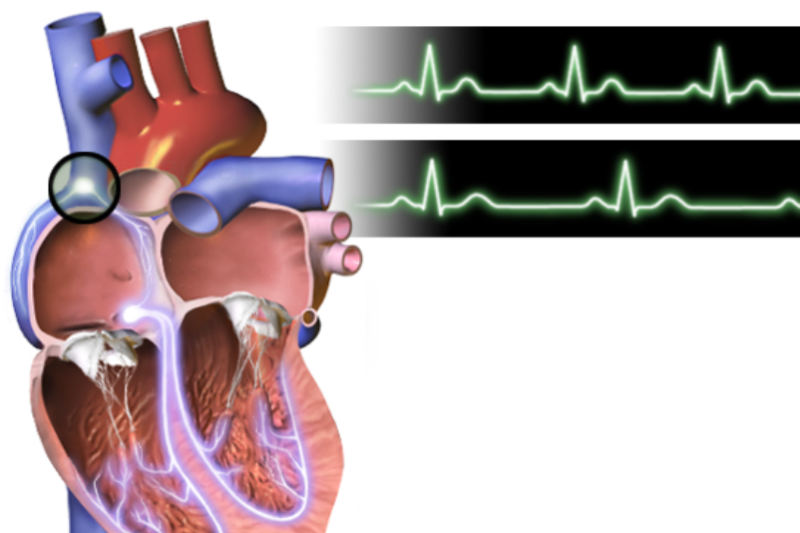
Preview Image: Bradycardial Heart Beat Pattern
Link to Northwestern University YouTube Video