An ‘in vivo’ medical procedure takes place inside a living organism, in order to support the natural rhythm of life. Medical implants have become part of a surgeon’s stock-in-trade, and they are producing wonderful results. It stands to reason that these ‘in vivo implants’ need to be as small as possible to minimize patient discomfort. This in turn calls for smaller batteries, well small-as-possible ideally.
Calls for Smaller Batteries are Becoming Stronger
The market for implantable, and wearable medical devices is branching out beyond pacemakers, and talk of contact lenses monitoring eye health. “The market is moving toward more of a variety of implantable devices,” an industry insider told Design News. on March 29, 2024.
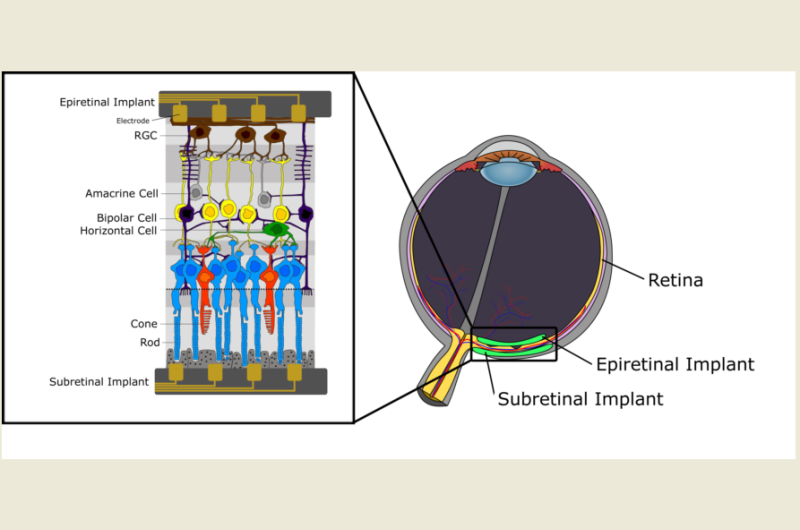
Some of these devices are conventional nowadays, like pacemakers, defibrillators, and neuro-modulators regulating nervous activity. But we are also seeing expansion into diagnosing illnesses by identifying signs and symptoms.
Almost all these devices employ electronic systems to do their work. This in turn requires low-voltage electricity to energize their tiny circuits. External power supply is impractical and would restrict patient mobility. Smaller batteries inside scaled-down implantables are the preferred solution but we are not there yet.
Calls for Smaller, Safer Batteries for Medical Implants
The new generation of implantable medical devices consumes less power than their predecessors, partly because they are smaller. This makes them easier for surgeons to install ‘in vivo’, but also opens the door for smaller batteries that can be less powerful.
There are two known approaches to manufacturing smaller, less powerful batteries according to the industry insider on March 29, 2024:
- Research, develop, and commercialize more compact battery chemistries.
- Redesign proven battery structures to make better use of current chemistry.
The medical battery industry currently favors the former approach, and we are inclined to agree. However, this will take time to come to market because of additional medical standards. But then battery safety is paramount inside human bodies, and we must be patient and accept the time this takes.
More Information
Implantable Bodily Devices Powered By Wireless Technology