Electric vehicle batteries can no longer do their work, after aging robs them of some of their power. However, they may still contain 80% of their original storage capacity, which is impressive by all accounts. Many of these batteries go for recycling at this point, because second life battery take up is still disappointing. We outline the reasons driving this, in this post.
The Secret Second Life of Mega Batteries
Capacity is the measure of a battery’s ability to store power. All batteries gradually lose this capacity, through chemical ‘wear and tear’. As a society, we have become accustomed to discarding them at this point, because they are relatively cheap to replace.
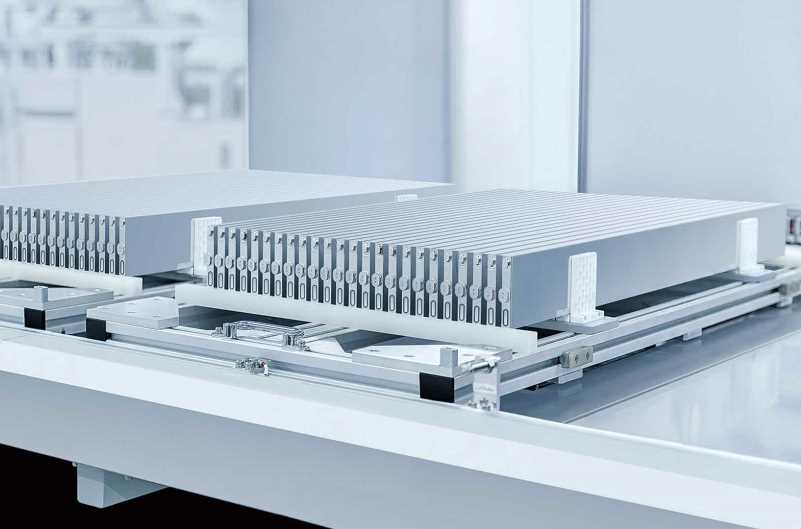
Larger batteries may contain hundreds, even thousands of the individual cells, that we call ‘batteries’ in everyday conversation. We find very large examples of these mega batteries at solar energy arrays. And, of course, in the electric vehicles which are the subject of this post.
We might have thought that consumers would queue up to purchase second hand electric vehicle batteries. These do have excellent potential to store large amounts of back-up power, both for homes and businesses. However, this is not happening at scale, because second life battery take up is not gaining traction.
Why Is Second Life Battery Take Up Disappointing?
There are a variety of reasons why adoption is slow, according to The Energyyst and others we consulted. While we might have imagined that the lower price per storage capacity of second life batteries would clinch a deal, it seems this is not the case:
- Second-hand batteries lack warranties, and reports on their remaining capacity.
- They also lack data confirming how the previous owner used, or abused them.
- Electric vehicle sales are disappointing. This may result in bargain sales of new batteries.
These factors pile on more evidence that ‘new is better’, which may not always be the case with second-use batteries. The opportunity to reduce waste, and lower their carbon footprint, seems forgotten in the minds of many consumers.
More Information
Second Life EV Battery Recycling