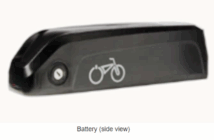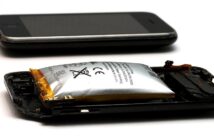
We could compare silicon-carbon and lithium-ion batteries to two horses in a race. Lithium-ion has won important competitions, but it is getting past its prime. Whereas the carbon version is a new entrant, that’s showing championship potential. So is this just a two-horse race? No, not at all, but it makes an interesting side-show.
Do Silicon-Carbon or Lithium-Ion Have Better Prospects?
The battery race is all about two criteria. These are (a) how much electrical energy a battery can store, and (b) the force with which it delivers it. Standard lithium-ion batteries store this energy in graphite anodes. But the chemistry behind this is approaching its limits.
In other words, we need to change horses, so to speak, if we want to store more energy. Or, if you like, improve electric vehicle driving range, or charge our phones less often with improved lithium-ion batteries.
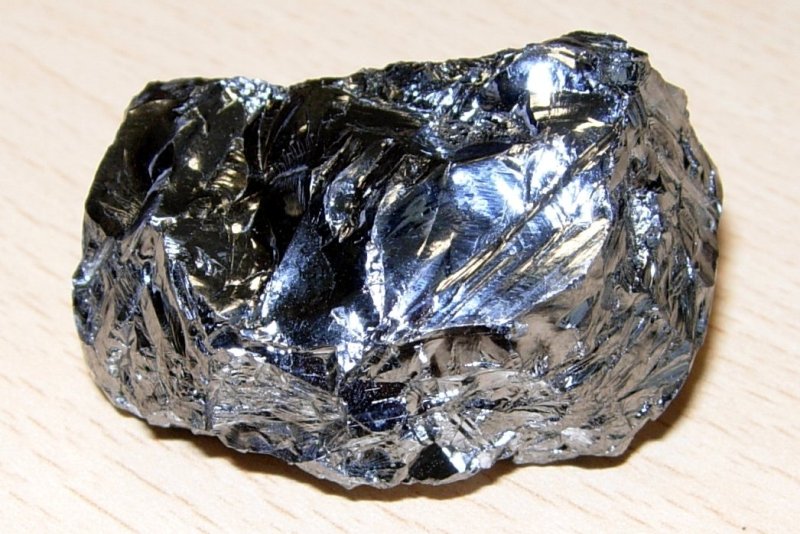
Silicon can store so much more energy than graphite, that it could revolutionize the battery industry. But there’s a catch. Silicon expands as it receives lithium-ions, and this can cause irreversible battery damage.
The answer is to use a blend between the two options. In other words, add tiny particles of silicon to carbon graphite. This compromise enables silicon-carbon graphite to outperform traditional lithium-ion anodes.
When Will I See Silicon-Carbon in My Phone?
The answer is sooner than you think, according to Henry Burrell writing for The Express on January 18, 2026. Henry has spotted some new Android phones with silicon-carbon battery anodes.
Journalists always seem to be on the phone, and so they recharge them every day. But one new-gen Android phone that Henry tested, had enough charge for three days. Although we should mention several others were only good for two days.
Only time will tell how many years these batteries actually last. Silicon-carbon and traditional lithium-ion chemistries are both worthy contenders. But which phone battery, do you think, will win the race?
More Information
Silicon Carbon Batteries In Smartphones