


The difficulty with dark matter starts with the name. In western culture, we associate lightness with good so calling it dark is a bad start. The fact that it is invisible might appear to be the decisive factor, but it is not. In reality, the invisible ‘substance’ is preventing our universe from collapsing so good news all round.
How Do We Know Dark Matter Exists?
We had no idea about it at all until 1922. That was when a Dutch astronomer thought there might be more to space than he could see.
He derived his thoughts while watching stars moving in the night sky. Various colleagues reached similar conclusions, but there was insufficient evidence to prove them right.
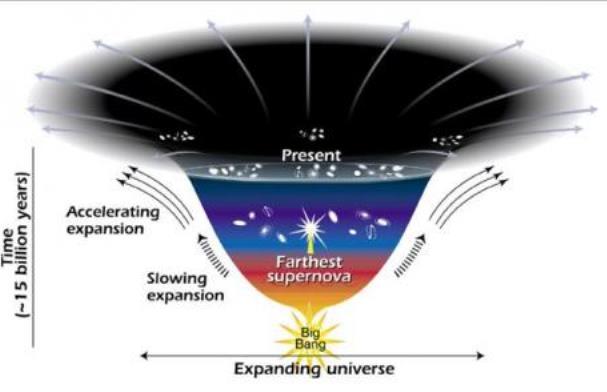
Until 1998 and NASA’s Hubble, we actually thought the universe would run out of energy and eventually collapse. Then the space telescope found the supernovae flash of the death throes of a very distant star. This discovery revealed the universe is expanding faster than it was in those days. There is only one possible conclusion. There must be more to galaxies than what is visible to the human eye.
How Much Dark Matter is Out There?
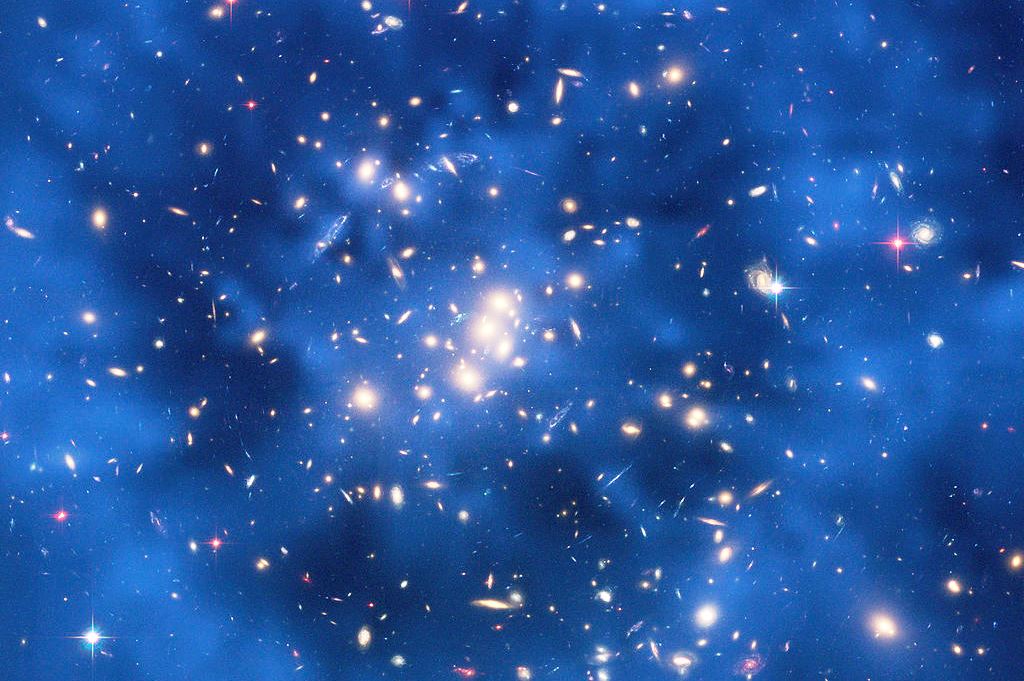
The rate at which the universe is expanding suggests that 68% of it is ‘dark energy’. As we mentioned earlier, this is not some evil force. In a way, we can compare it to magnetism. We can’t see that either, but we know it is there from its effects.
A further 27% of the universe is ‘dark matter’, in other words something ‘out there’ we cannot detect directly.
The consequences of these numbers are awesome. We once thought the universe consisted of the things that we could see. We now know these are actually only a small part of it. In reality, ‘normal matter’ contributes just 5%. This makes Earth and everything in and on it an extremely minor role player, in a vast scheme of things.
Related


