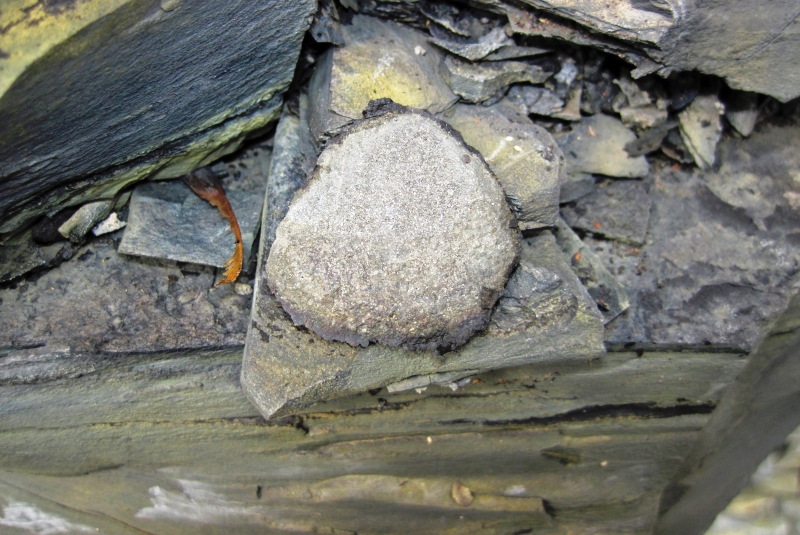
Fool’s gold is a popular name for the iron sulfide pyrite they often find in sedimentary shale rock. It’s name comes from its gold appearance, that fooled many miners into thinking they struck it rich. A new discovery suggests it’s time to value fool’s gold more highly, but this time for another reason.
Fool’s Gold – Alternative Source for Lithium
The European Geosciences Union broke the news in Science Daily on April 16, 2026. Theirs is quite a complicated story, but we’ll try our best to explain. The core of the matter is they generally mine lithium from coarse-grained volcanic rocks and clays, but these are quite rare.
Therefore, the interest in finding another source, that could be a more cost-effective and environmentally responsible solution. You probably already guessed it! It could be time to value fool’s gold more highly, because someone found sources of lithium nearby.
A research team at West Virginia University in United States, has been investigating unconventional reserves of lithium. They have been following up with sedimentary rocks in the Appalachian Basin in the east of the country, and analyzed 15 samples of mid-Devonian shale.
A Fresh Look at Mid-Devonian Shale
The team from West Virginia University made an unexpected discovery, one that could ease the supply chain of lithium for batteries.They detected significant amounts of lithium in the pyrite ‘fools gold’ within the shale samples.
This exciting finding is quite unique, because nobody seems to have looked there before. The big mystery is how the lithium and pyrite ended up in the same place at the same moment of geological time.
But right now, in the present moment, it’s time to revalue fool’s gold deposits in the light of this discovery. European Geosciences Union believes these widespread formations have important implications for future batteries.
More Information
Urban Mining for Battery Minerals
Lithium Extraction From Marcellus Shale