


Graphene has remained one of the most elusive forms of carbon until now. It is the thinnest compound we know of at a single atom thick. A square meter of it weighs less than one milligram. Yet it is more than 100 times stronger than steel. Until now, its scarcity made it expensive and limited its use. This could be set to change because Australian scientists have found a way to make graphene from soybeans.
Graphene from Soybeans Electrical Dream Come True
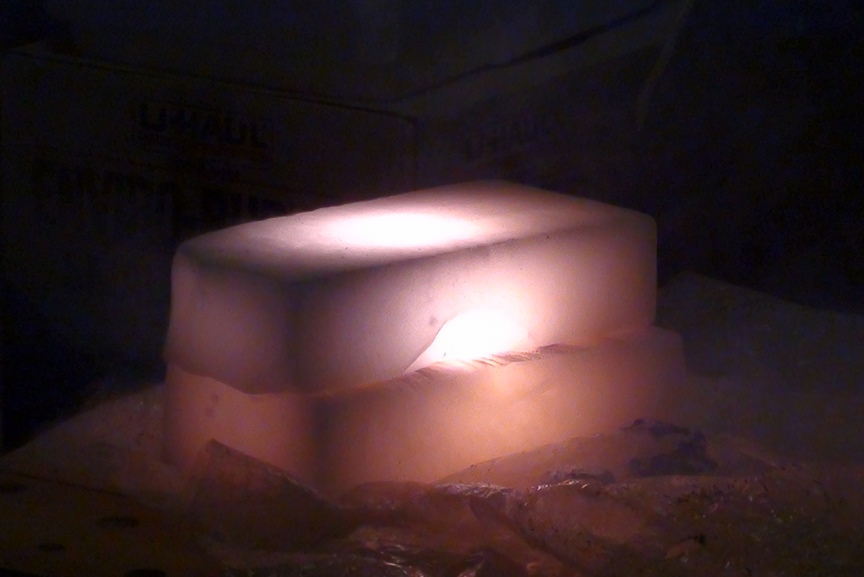
Graphene is a superb conductor even better than copper. At the same time, it makes a perfect barrier.
Not even helium can penetrate graphene. It improves the performance of rechargeable batteries.
Although no gas or liquid can penetrate it, protons are able to pass through it freely. This has exciting potential for fuel cell technology, especially now we can make graphene from soybeans.
How Australian Scientists Made Graphene from Cooking Oil
Researchers from Australia’s Commonwealth Scientific and Industrial Research Organisation (CSIRO) made their discovery ‘by accident’. “We were trying to figure out if there was a safer way of making graphene without using dangerous or explosive gases.” Project leader Dr. Zhao Jun Han explains.
His team discovered that soybean oil breaks down in carbon-building elements when heated in ambient air. This is a gaseous mixture of 78% nitrogen, 21% oxygen, and traces of other gases. After they rapidly cooled the soybean oil on a sheet of nickel foil, it transformed into this amazingly ultra-thin rectangle.
Some Wonderful Uses for Graphene from Soybeans

The CSIRO method of creating graphene is safer. It is also likely to be far cheaper than the current process. When we combine it with plastics in a 1% ratio, these could become electrical conductors. This is amazing.
The immense strength of this product also has potential for flexible, durable wearables and smartphones.
Dr. Han’s next step will be exploring new uses for his graphene from soybeans in batteries, water filters, and solar panels. What a wonderfully renewable step forward for science.
Related
Graphene Oxide Paper Improves Rechargeable Batteries
Graphene can Improve Fuel-Cell Technology
Preview Image: Wrinkled Graphene


