Kilowatt-hours are the measure of the electricity we consume, and mostly pay for unless we are completely off-grid. The cost per kilowatt-hour varies state-by-state. For purposes of this exercise, we will assume a charge-out rate of US 20c per hour. Please apply the rate you pay on your utility account when analyzing kilowatt-hours in your home, because it will be slightly different.
Our Kitchens Could Use the Most Kilowatt-Hours
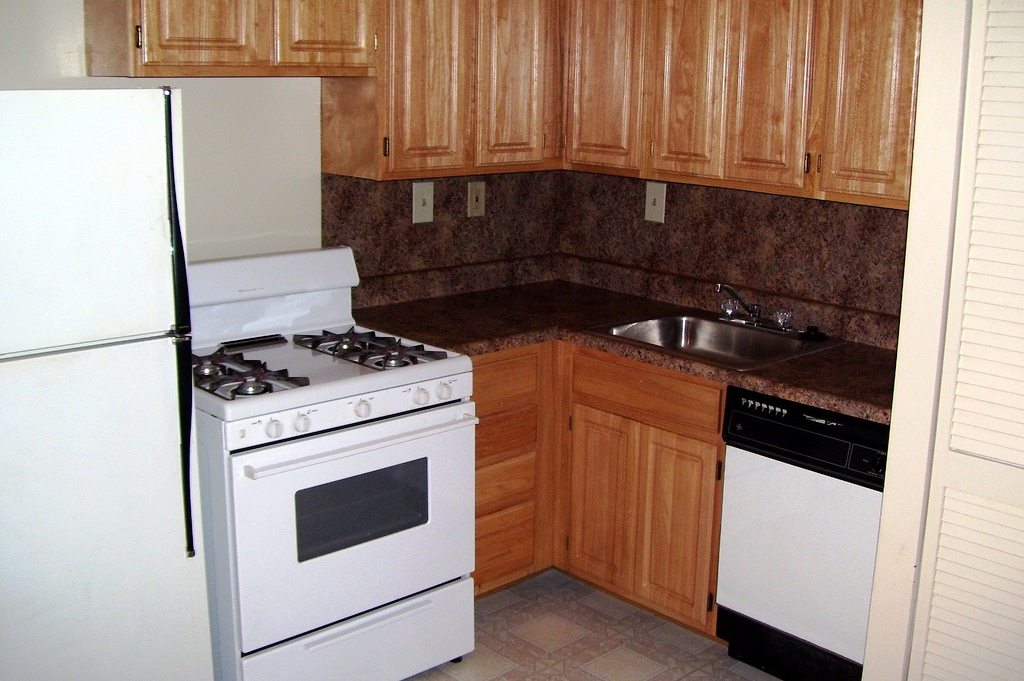
Your most expensive appliance is your electric oven. This is typically rated 2,000 – 2500 watts, unless you are using gas.
Your electric oven is likely to cost you in the region of 1,225 kilowatts a year or $245, assuming you run it 90 minutes a day. This is the rationale behind using a 1,500-watt microwave instead when we can.
Dishwashers are the next most expensive items in terms of kilowatt-hours in the kitchen. These typically rate 1,200 watts. If we run ours every day, we could burn 400-kilowatt hours a year costing us $80 annually.
The Next Most Expensive Place is the Laundry!
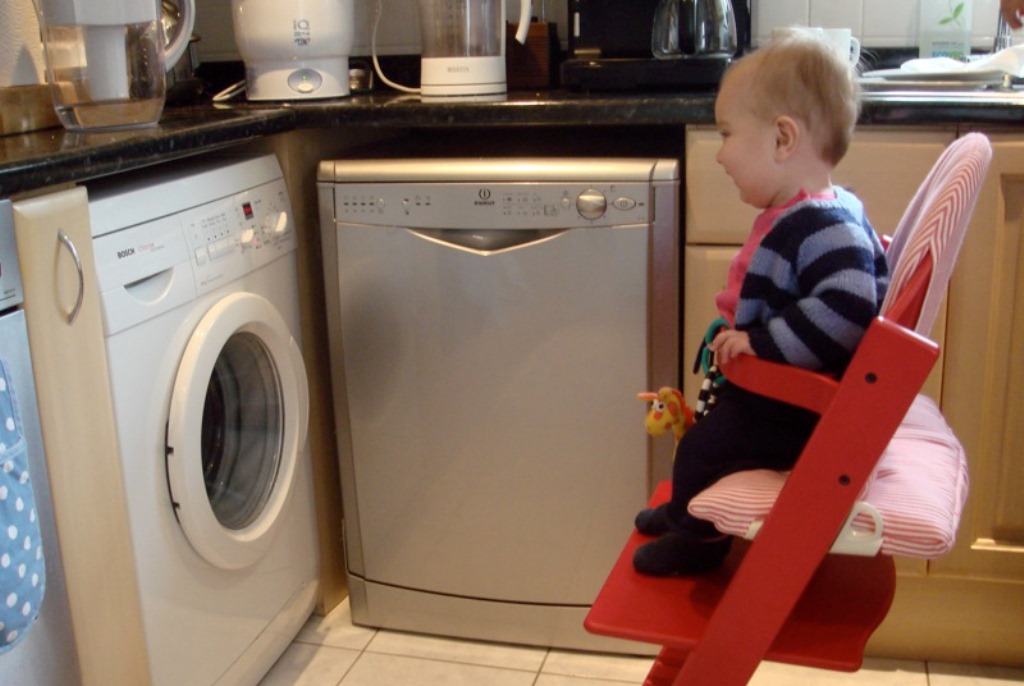
Washing machines and tumble dryers consume as much electricity as an electric oven, perhaps slightly more.
So if we ran both appliances rated 3,000 watts each 4 times a week, we could consume as much as 540 kilowatt-hours a year and spend $108. Other energy ‘guzzlers’ are electric irons (750 – 1,000 watts) and vacuum cleaners at 650 – 800 watts.
Energy-Wise Consumption Using Kilowatt-Hours
An appliance’s energy consumption is a function of its watt rating times the period we run it. To control this cost, we need to purchase energy-efficient appliances, and use them sensibly. For example, we can lower our costs by only running the dishwasher when it is full, and not putting a few items through the clothes washer at a time.
In this way we can save money on our electricity bill when we know what we are dealing with. Did you know your hair dryer could be consuming six hundred watts while your phone charger only uses five? That’s a big difference in terms of kilowatt-hours paid and something to know and share.
Related
Managing How Watts Cost Us Money
Image Preview: Electricity in Practice