While our ancestors may have only begun to harness electricity a few centuries ago, energy has always been there. It is in the earth’s poles, and the awesome power of lightening that reminds us we are not indispensable. We began to measure electricity as we ‘tamed’ it, because it is in our nature to organize things. Later, scientists settled on ‘watt’ as the absolute measure of power. Nowadays we need to measure different magnitudes of watts for reasons we explain here.
Some Examples of Tiny Magnitudes of Watts
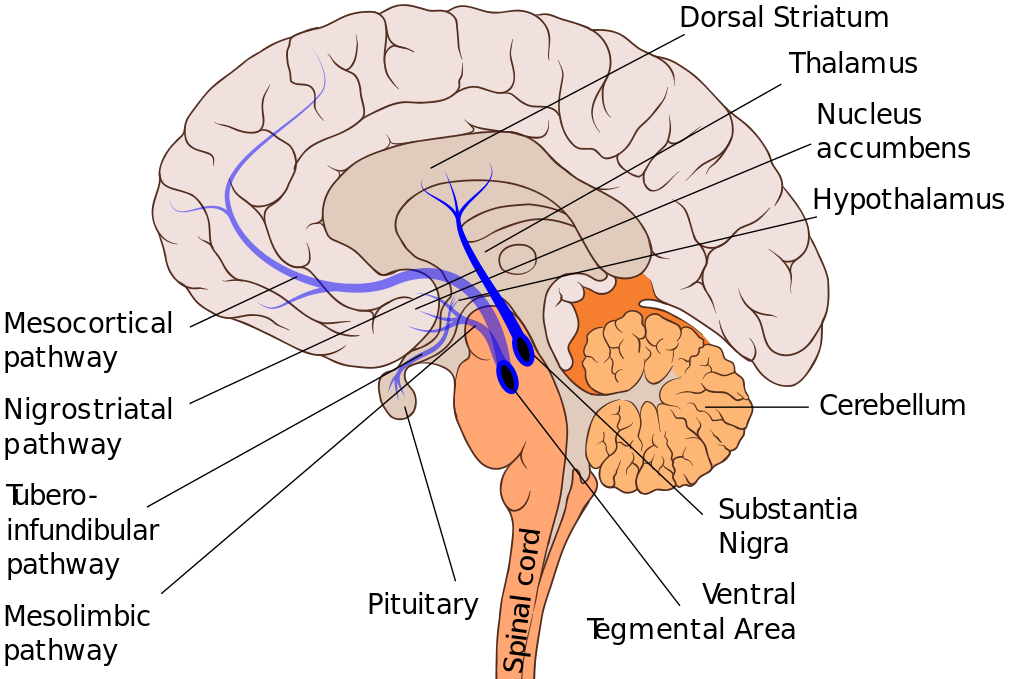
We use far less than a single watt in sophisticated electronics, and encounter even smaller amounts of electricity in nature, including in our brains.
Since it would be laborious to type out ‘one thousandth of a watt’ we use the term ‘miliwatt’ instead.
This measurement system goes into progressively more detail with increasingly smaller microwatts, nanowatts and picawatts. One picawatt is the average power consumption of a single human cell in our bodies.
Some of the Watt Ratings We Know Well

We have become accustomed to using watt ratings to assess the electrical consumption cost of devices.
At the lower end of the scale, the human brain uses 20 – 40 watts depending whether it is resting or working.
Skipping past the light bulbs and solar panels, did you know that 745 watts equals one horsepower? And that James Watt invented it to compare the output of his steam engines with the power of draft horses.
Increasing Magnitudes of Watts at Upper End of the Scale
A ‘kilowatt’ is convenient shorthand for ‘one thousand watts’. We live in this realm when we compare a 3,000-watt stove with a 1,500-watt microwave. If we were to add up all the appliances we would have a very long number. So scientists invented the ‘megawatt’ to represent one million watts.
The magnitudes of watts step up exponentially after that. A ‘gigawatt’ represents a billion watts, while a ‘terawatt’ is one trillion. Finally, a ‘petawatt’ is a quadtrillion watts – or (1015 watts). The total power of sunlight striking the earth is approximately 174 petawatts This is quite a mind shift from the 20 – 40 watts that power our brains.
Related
Understanding Kilowatt-Hours in Practice
Managing How Watts Cost Us Money
Preview Image: James Watt Steam Engine