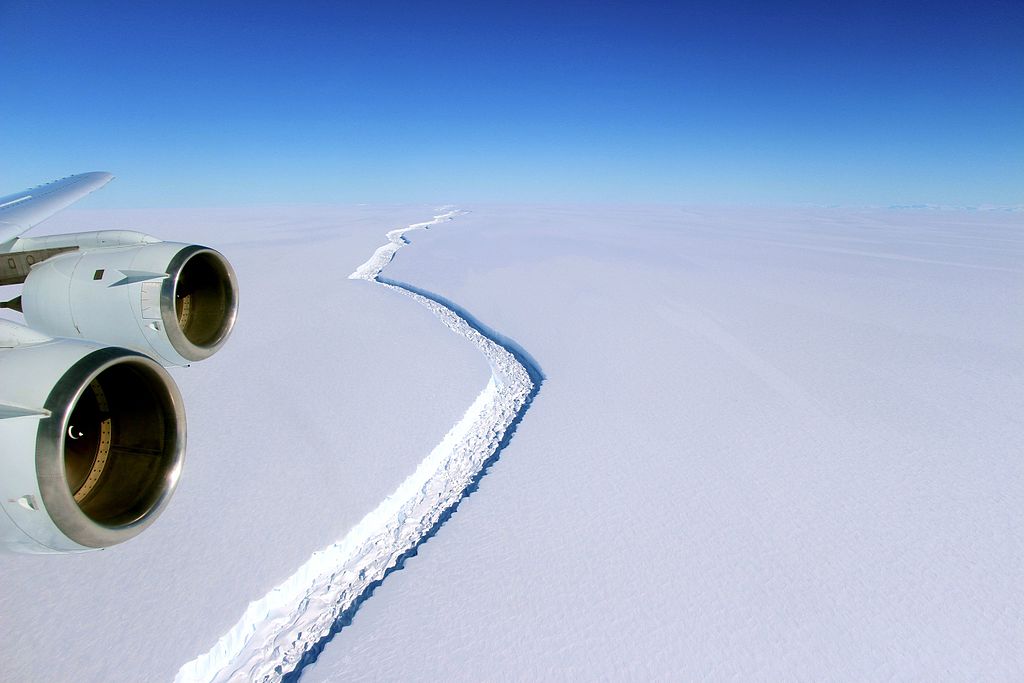
The journey of the A-68 iceberg has been gaining momentum after separating from the Larsen C ice-shelf in July 2017. Mind you, it took its time to begin its voyage since cracks first appeared in November 2016. Science is undecided whether this was a natural event, or spurred on by climate change. What we do know is it is larger than Delaware, and twice the size of Luxembourg.
A-68 Iceberg a Chunk of Ice Deserving Respect
One trillion tons of ice is not something to take lightly. The huge mass “didn’t just breakthrough in one clean shot, it formed a lace-network of cracks first,” scientists say. The big question is did it leave voluntarily, or was it pushed by a climate event?
Whatever the case, the A-68 iceberg has been slowly drifting northward. It is now three miles away from its parent Larcen C ice-shelf. A thin layer of loose, floating ice and a cluster of over eleven smaller bergs are populating the space. It might eventually reach South Georgia and the South Sandwich Islands adjacent to the southernmost tip of South America. However that may depend on the speed of global warming.
First Video of Antarctica’s Massive Larsen C Iceberg
Will This Be Fourth Time Lucky for Marine Biologists
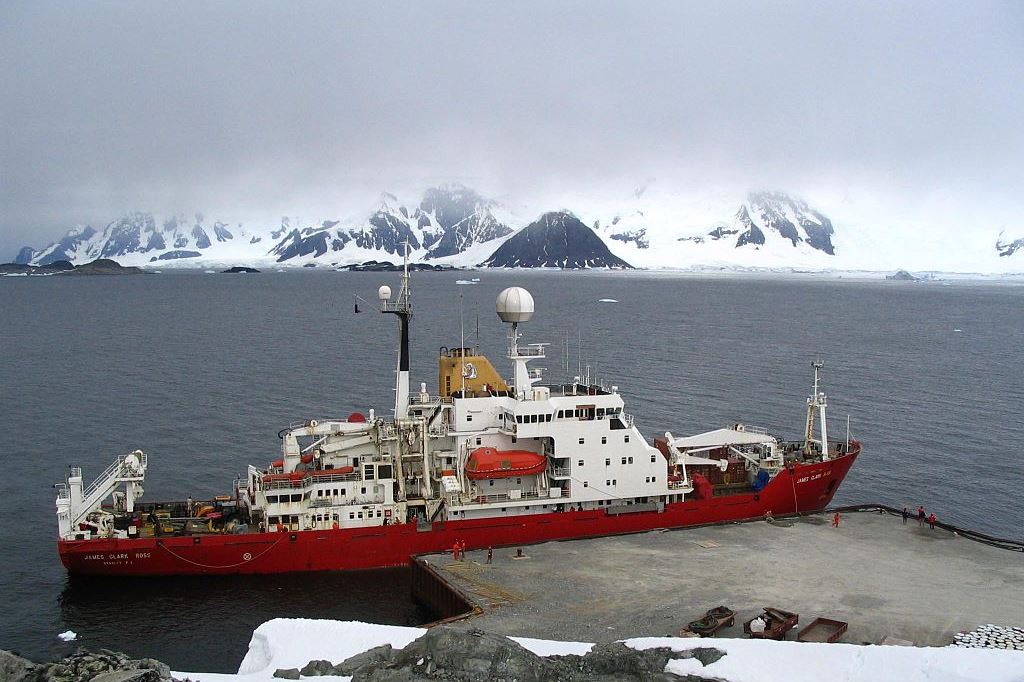
Scientists have been itching to examine the ocean life that lived in the shadow of the departed A-68 iceberg. However, research ship RRS James Clark Ross has had to maintain a respectful distance from Antarctica sea ice that could crush it in its grasp.
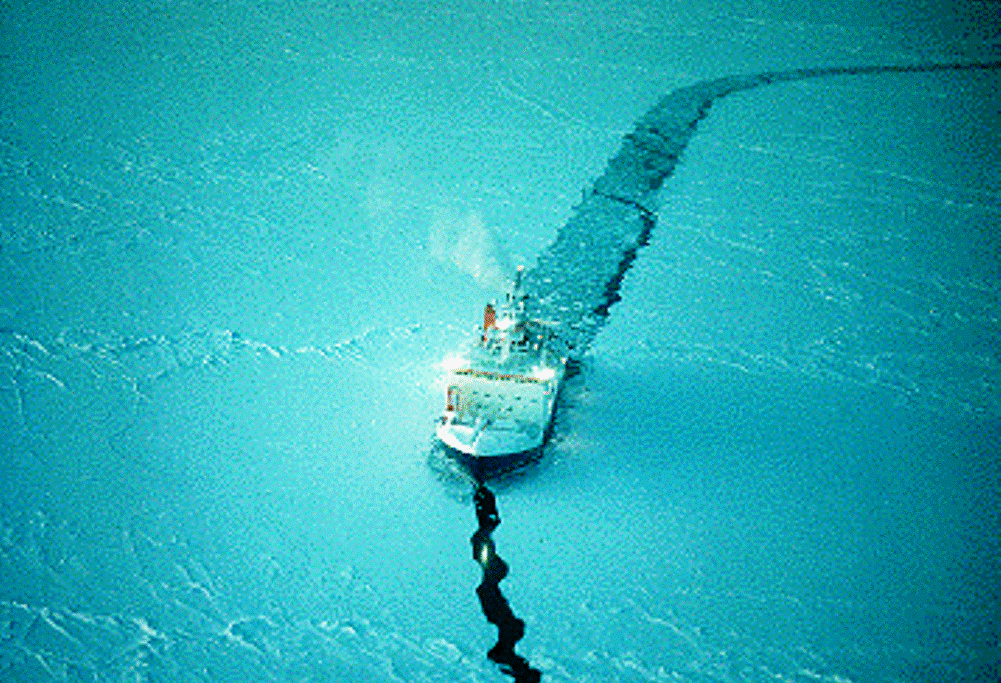
A window of summer will open during February and March 2019. The Alfred Wegener Institute’s icebreaker Polarstern plans to break through relying on the protection of its reinforced hull. “I’m confident that if anyone’s going to get there, it’ll be this mission.” So says Huw Griffiths, a marine biologist with the British Antarctic Survey.
He will lead the marine biology portion of the expedition. His team will use sonar to study the ocean floor and count the animals per square foot. Our office hushed as we posted this news. Will they discover new life forms that could be a thousand years old, as some biologists suspect?
Related
Climate Change Extremes: The Antarctic
Preview Image: Initial Separation of A-68 Iceberg
Video Share Link: https://youtu.be/HXS0awPoJqM