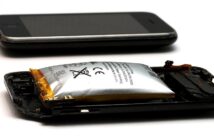
Advances in electric vehicle batteries have focused on tinkering with lithium-ion over the past five years. This is hardly surprising, since the chemistry offers the best driving range, although it still does not compete with gasoline. However, frequent lithium-ion battery fires are beginning to unnerve even the most ardent fans. Today we consider their most persistent competition, sodium-ion and solid state batteries.
Three Contenders for the Electric Vehicle Battery Crown
The three contenders for the EV battery crown are lithium-ion, sodium-ion, and solid state technology. There’s a huge amount of investment in lithium-ion batteries and their technology. However, seizing its market share will never come easy.
So Will Lithium-Ion Chemistry Be With Us Forever?
Never say never, the old proverb goes. New varieties of lithium-ion batteries keep cropping up, and some have more than a toe-hold. But the challenge remains that you can only extract so much energy from a charge carrier, and that is what lithium is. So ideally we need an even more efficient material.
Will Sodium-Ion Advance Electric Vehicle Batteries?
Sodium-ion batteries are similar to lithium in the way they are structured, store, and release energy. Sodium is also more abundant, and readily available from salty ocean water. However, sodium-ion will only compete with lithium-ion financially when sales grow sufficiently to deliver similar economies of scale.
The lithium-ion industry has avoided this challenge at the time of writing. Sales continue to flourish, holding raw material and manufacturing costs down. It will be some time before sodium-ion competes on a level playing field. Although its greater stability and safety are attracting interest from the energy storage industry.
Are Solid State Lithium Batteries a Compromise?
This is possible, given the current state of play. The tendency of lithium-ion batteries with liquid electrolyte to overheat and catch fire, is driving the interest in sodium-ion technology. However, lithium is still superior to sodium in its effectiveness as a charge carrier.
That is why replacing the flammable liquid with a solid, non-flammable electrolyte, could be the key to future advances in electric vehicle batteries. Solid-state lithium-ion could be a practical solution in this regard, offering enhanced safety, energy density, and longer life cycling too.
More Information
High Performance Sodium-Ion Cathode