


Africa lags behind the first world on many dimensions. This is not due to lack of will. It simply does not have the money to implement technology. Take electricity for example. While the first world can afford the ‘luxury’ of going green, rural Africa does not even have the basics. The main reason is a massive micro-grid storage problem.
The Big Battery Issue Holding Back Micro-Grid Storage
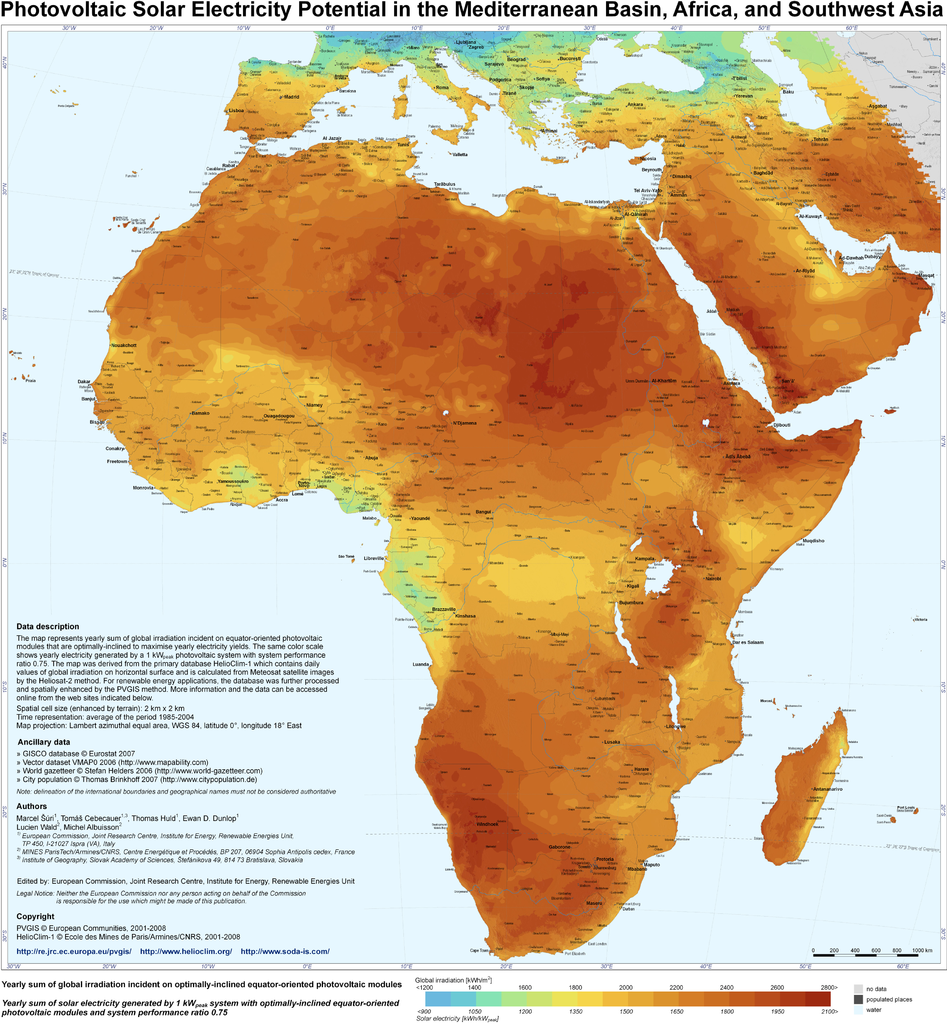
Rural African communities are still largely off-grid. This is in terms of utilities that people in the first world take for granted. Hence their solar networks must be standalone, yet able to provide power when the sun is not available.
They mostly use auto lead acid starter batteries for micro-grid storage, because these are readily available from the automotive industry.
They are however unfortunately not ideal for storing electricity harvested from the sun. The solution lies in other, alternative battery technology.
Unfortunately, auto lead-acid batteries are also far cheaper because we use them in more than a billion cars around the world. And in Africa, every cent counts.
Why Lead-Acid is Not Ideal for Micro-Grid Storage
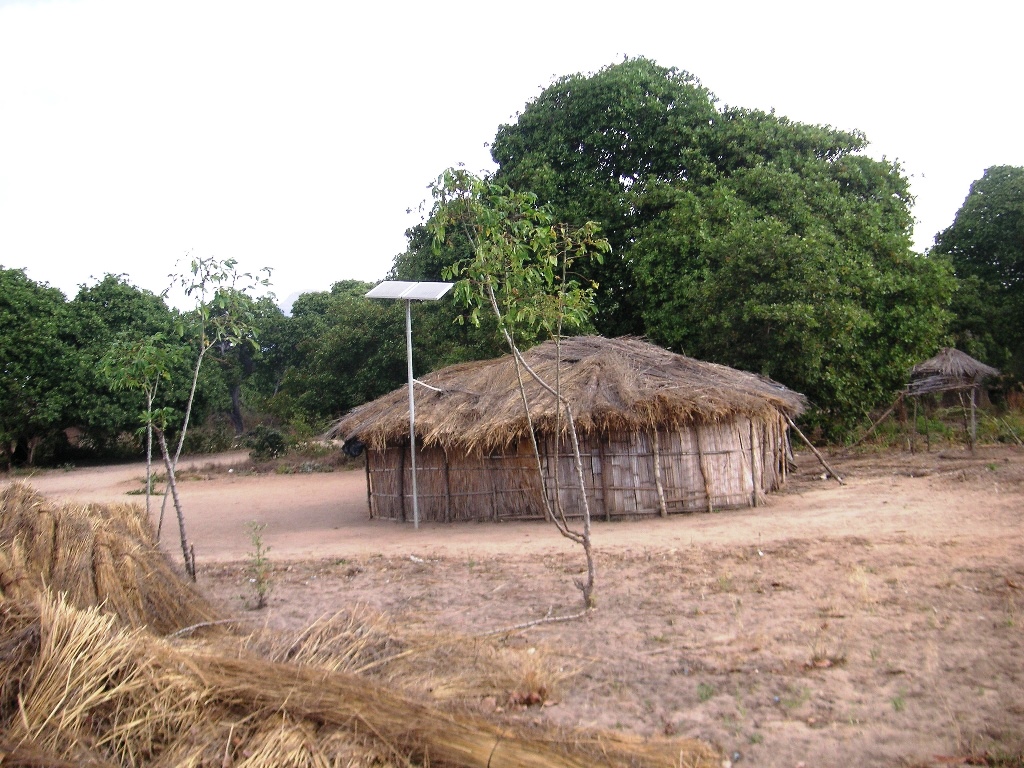
ESMAP World Bank: CC 2.0
Lead acid-batteries are ideal in autos. Because they readily recover from the surge required to start the motor, and top up again quickly.
However when we drain them deeply, we shorten their lifespan. The only workaround for micro-grid storage is to double up on battery capacity, which doubles up the cost.
The alternatives are already there in wet cell and flow batteries. These can recycle indefinitely and discharge completely with causing any damage. The Catch 22 is we first need to ramp up on turnover before we achieve the economies of scale that auto lead-acid already has.
Rural African micro-grid storage represents a huge opportunity. There will be many benefits, if we can find a workaround for cost, and a cost-effective way to implement it. We could power up a continent, create cottage industries and tap the potential of the unemployed. But first, we need to crack the battery issue behind the micro-grid storage challenge.
Related
Could Flow Batteries Bring Light to Africa
Micro-Grid – Your Own Energy “Island”
Preview Image: South Africa Sunrise


