Today we’re offering you some bite-sized knowledge about the new Apple’s Green Products Initiative recently announced.
We’ve written about Apple and its batteries a handful of times. However, this time it’s more about what it is taking steps to join the other side — AKA the green side. Apple has set up many green goals over the years and while not being a perfect company, it is actively trying to be better environmentally.
In fact, Apple recently reached its target of 100% renewable energy used across all of the company’s operations, spanning 43 countries around the globe. This target was set a decade ago and has finally been reached. That being said, today we’re focusing on the its efforts for using carbon-free metals!
What Are They Planning?
Apple has joined arms with two of the biggest aluminium makers, Rio Tinto and Alcoa, to make “carbon free” metals for its phones and laptops. This is in efforts to lower ts products’ carbon footprint.
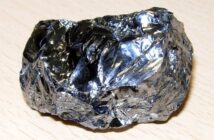
The engineers at Alcoa have designed a new process for smelting alumina which is the raw material in use to make aluminium. With Rio Tinto’s help, Apple hopes the development will be accelerated!
Additionally, Apple is investing C$13 million in the Alcoa-invented process by the name of Elysis which has accumulated another C$120 million of funding from the governments of Canada and Quebec. Rio and Alcoa have significant operations in the country being one of the biggest aluminum producer. The two companies plan to invest C$55 million to progress the commercialization of the technology.
Apple is also pledging Pledging to make all of its products from recycled or renewable materials.
How Elysis Works:
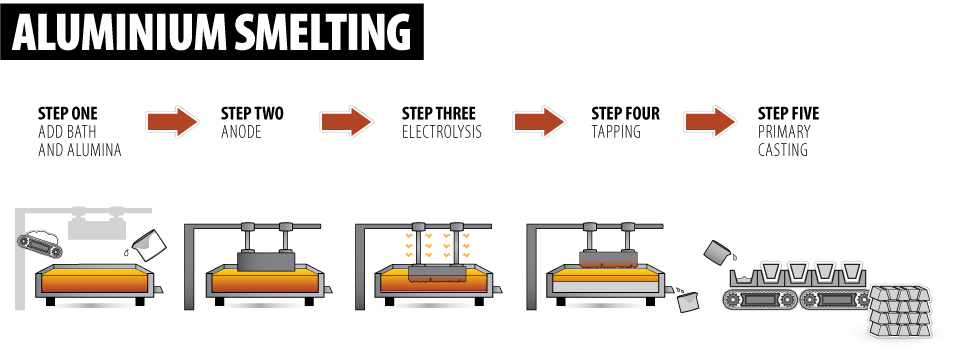
As seen in step two in the above picture, in the traditional smelting process, a carbon anode is placed in a bath that contains alumina and other materials. Then, as step three shows, electrolysis is employed where strong electrical current passes through the bath. This process then produces aluminum.
Where the Elysis process differs is in step two. Instead of a carbon anode, Elysis has designed a process that uses an “advanced conductive material” that releases oxygen rather than carbon dioxide.
Elysis plans in 2024 to start licensing technology already in use at Alcoa’s technical center in Pittsburgh. It will also look to sell the new anode material. Alcoa and Rio each have a 48 per cent stake in the joint venture. The rest belongs to the government of Quebec.
Reaching this goal seems like a dream that will take a long time to come true but we will remain hopeful.
Thank you for reading! What do you think of Apple’s Efforts? Share your thoughts with us in the comments below!
Related:
Democratic Republic of Congo Labels Coltan A “Strategic” Resource