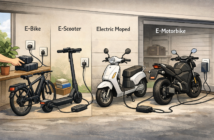
A polar vortex is a counter-clockwise flow of air, that keeps the colder air near the poles. However, its range can expand in winter if the westerly winds slow. A dramatic warming in the stratosphere above the north pole then allows some frigid air to escape. Batteries polar vortexes and electric vehicles don’t go well together either. Let’s explore what happens next.
Impact of Polar Vortexes on Electric Car Batteries
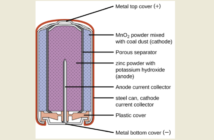
Chemicals in batteries weaken when the temperature falls. Batteries polar vortexes and electric vehicles don’t get on that well in cooler climates either. Conversely, batteries become stronger as they warm. That’s why you can coax the remaining energy from a cell battery when you roll it between your palms.
That’s also why fully electric vehicles shed up to 30% of their driving range when temperatures fall below freezing. This imperfect relationship will endure until batteries catch up with consumer requirements. It’s another reason why hybrids remain popular with drivers despite global warming.
But there’s another reason why driving range shortens in winter, and this time the reason is more indirect. Drivers and their passengers don’t like being cold either. Turn the electric car heater up high, to max they insist. We can’t check our phone messages properly while our fingers are so cold.
Thing to Consider When the Temperature Plummets
It takes far more energy to raise a temperature by a degree, that to keep it there. Store your electric car in the garage, or under a cover when the polar vortex drifts south. Heat the electric car interior for ten minutes before you drive off.
This way, you will use less battery power keeping warm on your journey, according to Columbus Dispatch, and have more battery range available for driving. Using heated sets can increase your energy savings further. It can be difficult to believe the earth is getting warmer on a winter day, but it is.
More Information
Electric Car Batteries in Winter Time