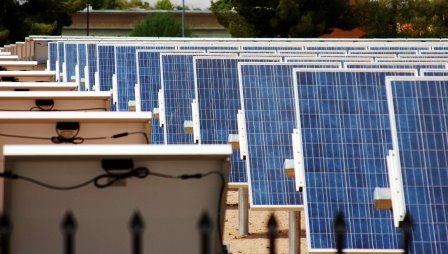
Arizona was not looking for solar energy when it began searching for a 3 p.m. to 8 p.m. grid patch in 2017. Public opinion expected an open mind, so it was open to any technology. Then, a battery-solar proposal beat natural gas peaker plants without really trying. First, solar beat coal in Colorado, now solar beat gas in Arizona too.
Arizona Public Service Adds 50-Megawatt Battery to Mix
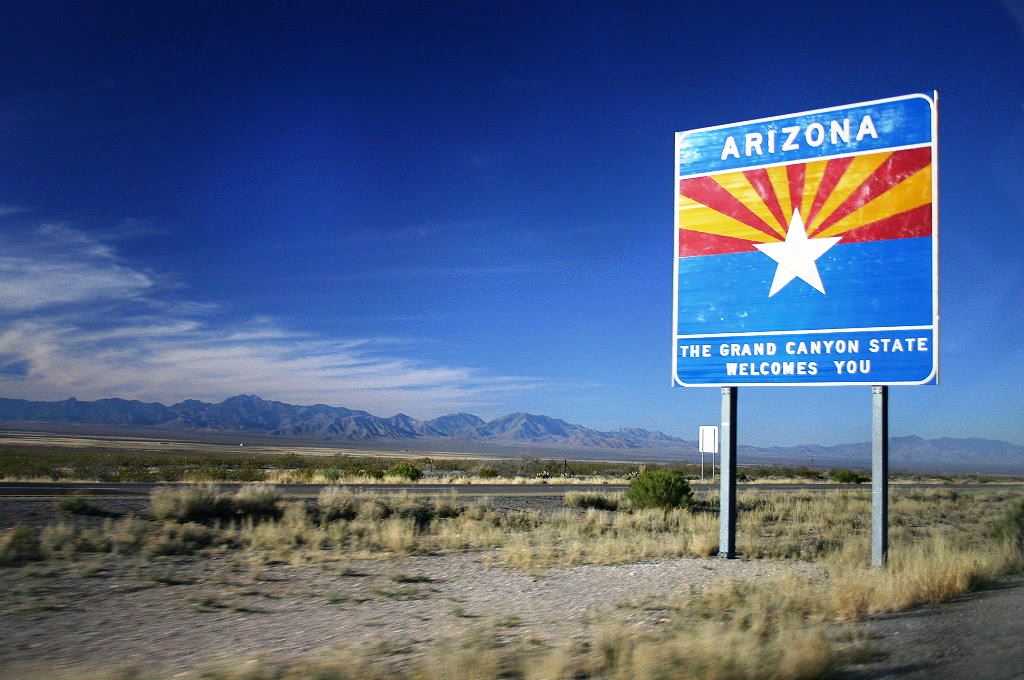
On Tuesday, February 13, 2018 the power utility announced a fifteen-year power purchase agreement with the supplier. This will twin with a 65-megawatt solar plant coming on stream in 2021.
Right now, the 50-megawatt unit is America’s largest. However, global energy giant Fluence will roll out a 100-megawatt system in 2021. Moreover, solar beat gas in Arizona for a fundamental reason that is hard for any argument to beat.
“When you look at the desert southwest, you’re already seeing the growing pains of having so much solar power on the system and having to curtail,” said Brad Albert, VP of the utility’s resource management. “This [project]is a necessary evolution of how we deploy solar energy, and take advantage of what we have in abundance in the southwest.”
Solar Beat Gas in Arizona Because It Makes More Sense
The 3 p.m. to 8 p.m. requirement made perfect sense for renewables too. This is the peak period driving much of the state’s current power investments. The panels will charge the batteries from sunrise on, to store enough energy for after the sun sets.
At that point, the batteries will deliver 135-megawatt-hours, or slightly less than 3 hours’ worth of their 50-megawatt capacity. Outside of the 3 p.m. to 8 p.m. window, the solar company can trade surplus energy on the open market. This was one of several ways solar beat gas in Arizona in terms of cost.
We have reached a significant point in the evolution of green renewable energy. The industry has proven it can outbid new fossil, megawatt for megawatt. Batteries have come into their own too. They are no longer accessories. They are now the heart of renewable energy, and a key to our future.
Related
U.S. Battery Barriers Are Coming Down
Renewables Cheaper Than Coal in Colorado
Preview Image: Arizona State University Solar Array