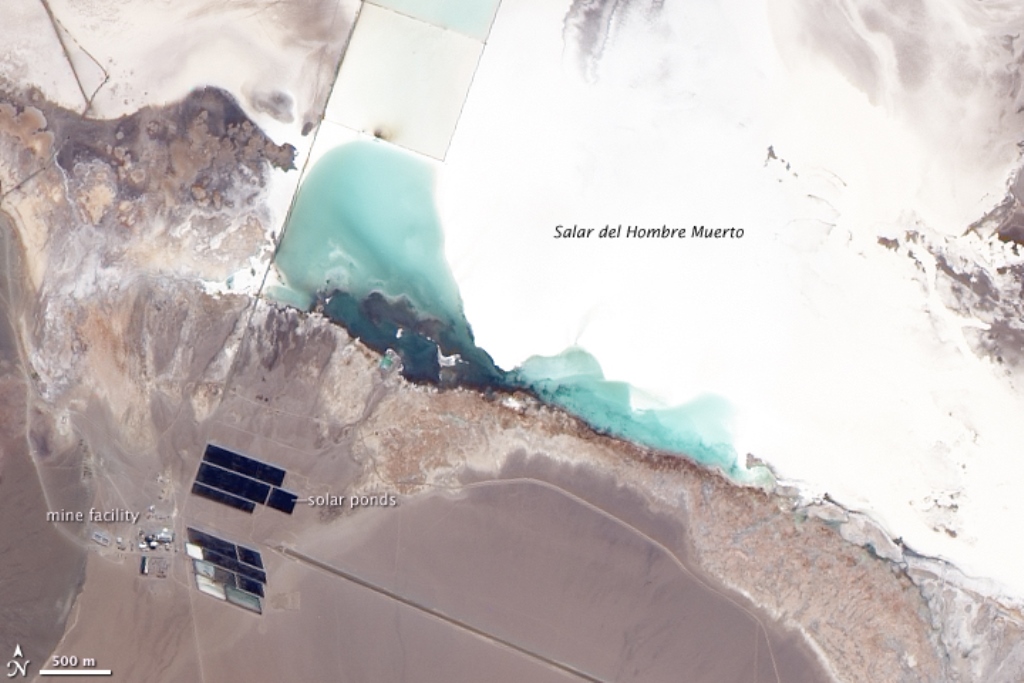
Batteries are all around us, but few wonder where they come from when they appear mysteriously in the stores. Most folk wonder even less about the raw materials in batteries and why they should be recycled. Others such as The Ancient Incas, believed that the shimmering lithium flats of Chile and Bolivia came from the tears of a weeping volcano that lost her lover.
No Weeping Volcano but Lithium is Scarce
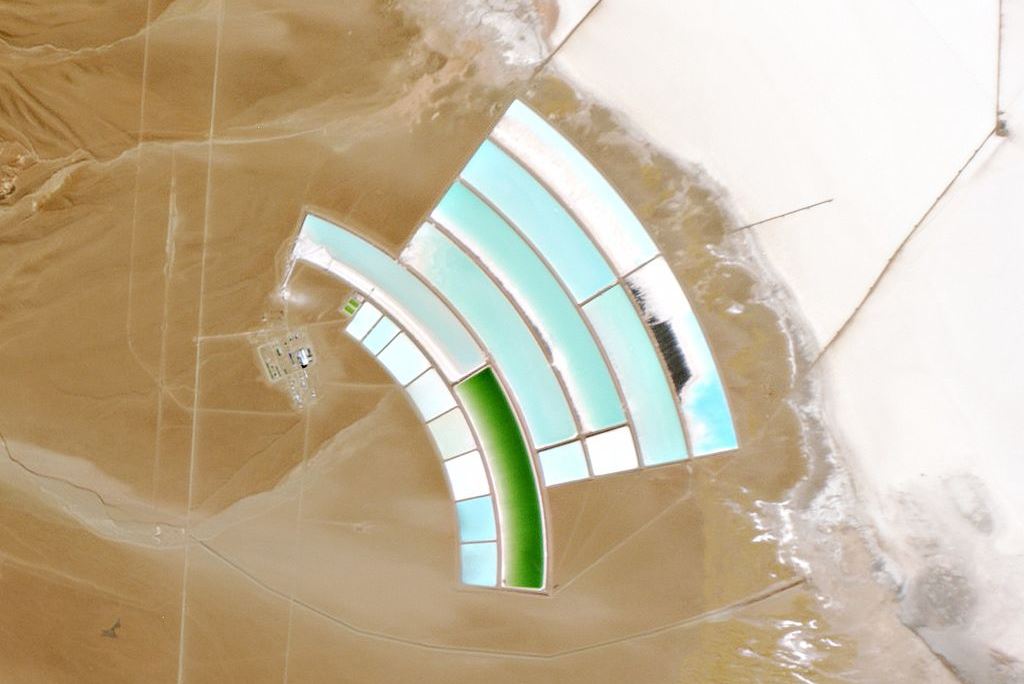
Lithium batteries have muscled deep into our lives, despite having the capacity to occasionally erupt. Almost half of the known lithium mineral reserves are in Chile, Bolivia, and Argentina in the so-called Lithium Triangle.
These shimmering white salt flats are on the surface in deserted places and relatively easy to extract. In 2017, they yielded 14.1 million tons of lithium compounds making it 41% of world production that year. We obtained this information from the Mineral Resources Program that keeps an eye on US economic and national security.
The Unintended Consequences of Technological Innovation
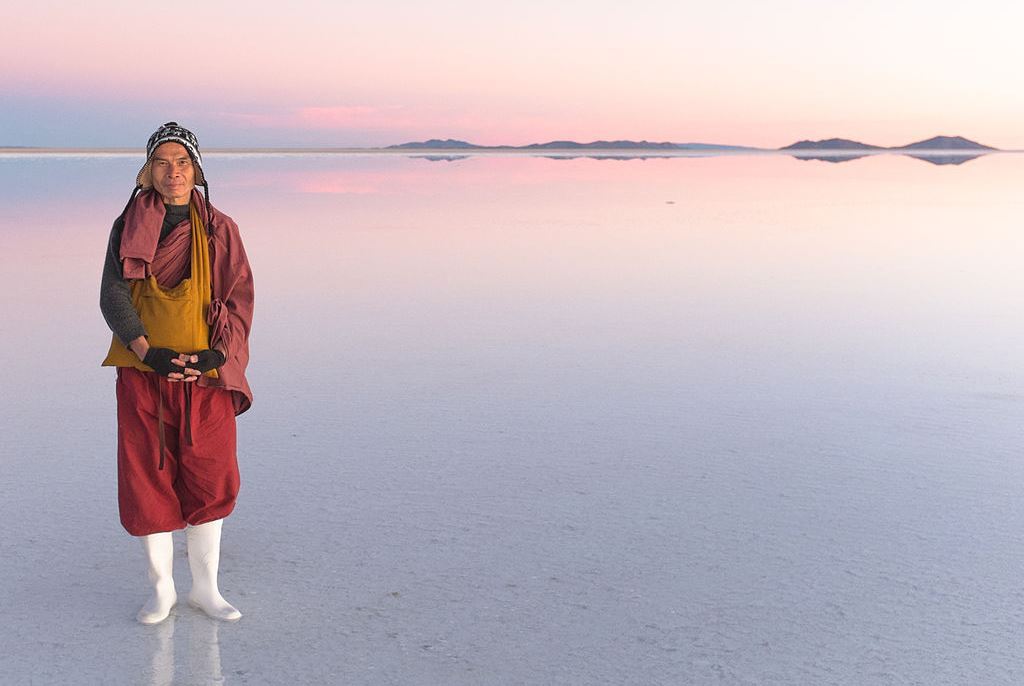
Demand for lithium is rising as a result of increasing human activity. Moreover much energy is needed to make the batteries, and this is contributing to global warming. We hear of lava spewing from the sides of many a weeping volcano that has been dormant for centuries. And extreme storms we are unable to resist.
The design studio Unknown Fields visited the salt flats of Chile and Bolivia, reports Hello Solar. They wanted to witness “the unintended consequences of technological innovation and our new electric future,” and the strain it is having on the landscape. The earth weeps in many ways from our relentless push to have the best of everything. And marketers continue to hide the truth behind promises of short-lived pleasure.
The lithium minerals in those lithium batteries are wrestled from the earth without regard to long-term consequences. Surely there are other ways to achieve the Green Goal without trashing the salt flats of the Lithium Triangle…And disturbing the spirits of the Ancient Incas that have rested for so long?
Related
Back to Basics with Lithium-Ion Batteries
Lithium Li What You May Like to Know
Preview Image: Salar del Hombre Muerto Lithium Mine, Argentina