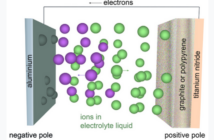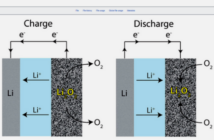
The humble battery is one of humankind’s simplest, most elegant inventions. All we need is an anode, a cathode, some electrolyte, and an external source to charge it. We do not have to invent these materials. The battery basics are all around us. Compare this with the complexity of a modern power station!
Of course, batteries have their capacity limits. Everything does this side of life. Perhaps someday we may overcome them.
Batteries are getting bigger and more powerful every year. We are finding exciting ways to make them greener.
We dedicate this post to the amazing applications we have discovered by applying battery basics.
Battery Basics and a Myriad of Practical Applications
We use batteries on mother earth for motive power in stair lifts, wheelchairs and mobility scooters. We find them in motorcars, forklifts, and golf carts to mention but a few. Beneath the ocean, research vessels and submarines glide effortlessly through the water, attracting curious stares of fishes.
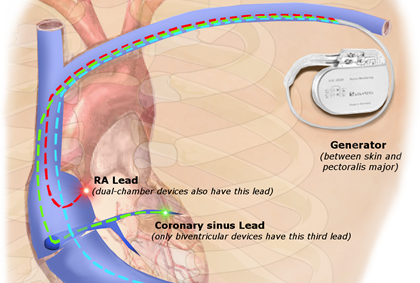
Aircraft rely on batteries in the air to power navigation and emergency systems when their engines are off line. Do you remember the movie Sully? The pilot landed that aircraft on the Hudson River on battery power. Our pacemakers run on batteries too. Now that is battery basics in action!
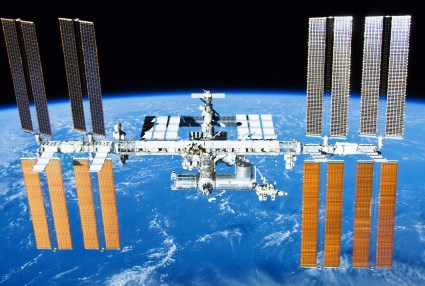
Batteries power weather balloons and satellites in the stratosphere and beyond in space. On Mars, Curiosity Rover goes about its business revolutionizing our thinking about our solar system. Provided we can recharge batteries using solar power, we could travel with them to Captain Kirk’s final frontier.
Battery Basics and the Relationship with Solar Power
Sunlight and battery power hold great promise for a sustainable culture. They need each other too. Batteries receive solar electricity for onward transmission. In return, solar charges standalone batteries. It does this on earth, on the surface of the water, in the air, in the stratosphere, on Mars, and beyond in outer space.
Related